
Introduction
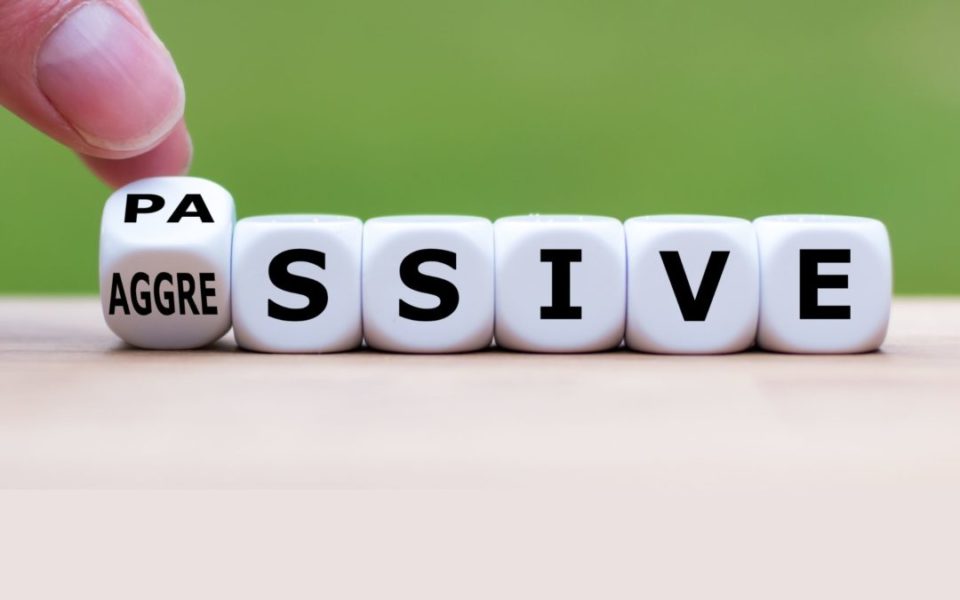
Have you ever felt like someone was trying to make a point without saying it directly? They might use phrases that seem polite but carry a hidden meaning. This is called passive-aggressive communication. It’s a way of expressing negative feelings indirectly instead of addressing them openly. In this article, we will look at six common phrases that can be passive-aggressive and explore better ways to communicate.
What is Passive-Aggressive Communication?
Passive-aggressive communication happens when someone shows their anger or frustration in indirect ways rather than being straightforward. It can be confusing because the words seem harmless, but there’s often a hidden message.
For example, someone might say, “I’m fine,” but their tone or body language says otherwise. This kind of communication can create misunderstandings and keep problems from getting resolved.
1. “I’m Fine”
What It Sounds Like:
This phrase is often used when someone is upset but doesn’t want to talk about it.
What It Really Means:
When you say “I’m fine,” but you are actually upset, you are hiding your true feelings. This can make it hard for others to know what’s really wrong.
Better Way to Say It:
Instead of saying “I’m fine,” try saying, “I’m feeling a bit upset about what happened. Can we talk about it?” This way, you are being honest about your feelings and opening up a conversation.
2. “It’s Whatever”
What It Sounds Like:
This phrase might make it seem like you don’t care about a decision or situation.
What It Really Means:
Saying “It’s whatever” can show that you are frustrated or annoyed but don’t want to confront the issue directly. It’s a way of avoiding making a choice or decision.
Better Way to Say It:
Instead of “It’s whatever,” you can be more clear about what you want. Try saying, “I’d prefer to go to this restaurant, but I’m open to other suggestions.” This shows that you have a preference but are also willing to listen to others.
3. “I Guess”
What It Sounds Like:
“I guess” can seem like a non-committal or unsure response.
What It Really Means:
Using “I guess” might indicate that you are hesitant or unwilling to commit to something. It can be a way of avoiding expressing a strong opinion.
Better Way to Say It:
Instead of “I guess,” try to be more confident. For example, “I think this plan works, but I have a few ideas for improvements.” This shows that you are engaged and willing to offer your thoughts.
4. “If You Want”
What It Sounds Like:
This phrase may seem like you are being flexible or accommodating.
What It Really Means:
“If you want” can be a way to hide your own preferences and avoid conflict. It might suggest that you are annoyed but don’t want to admit it.
Better Way to Say It:
Be more direct about your own preferences. Instead of saying “If you want,” try “I would prefer we do it this way, but I’m open to other ideas.” This way, you share your thoughts and show that you are willing to listen.
5. Must Be Nice
What It Sounds Like:
This phrase might sound like you are being sarcastic or envious.
What It Really Means:
“Must be nice” can show that you are jealous or resentful about someone else’s good fortune. It can be a way of expressing negative feelings in a subtle manner.
Better Way to Say It:
Offer genuine congratulations or express your feelings honestly. Instead of saying “Must be nice,” you can say, “I’m happy for you. I wish I had the same opportunity.” This way, you show that you are supportive rather than resentful.
6. “I’m Just Kidding”
What It Sounds Like:
This phrase is often used to cover up a sharp or hurtful comment.
What It Really Means:
“I’m just kidding” can be a way to make a critical comment seem less serious. It can hide the fact that you are actually upset or frustrated.
Better Way to Say It:
Address the issue directly. Instead of saying “I’m just kidding,” try to be more straightforward. For example, “I didn’t mean to hurt your feelings. I was trying to make a joke, but I see how it might have come across badly.” This shows that you are aware of the impact of your words and willing to make things right.
Why These Phrases Are Problematic
Confuses Communication:
Passive-aggressive phrases can make it hard for others to understand what you really mean. This can lead to misunderstandings.
Creates Resentment:
Using these phrases can build up negative feelings over time. It can prevent problems from being solved and lead to ongoing conflict.
Avoids Direct Confrontation:
These phrases let you avoid dealing with issues directly. This can stop important conversations from happening.
How to Improve Communication
1. Be Honest:
Speak clearly about your feelings and opinions. Instead of hiding your emotions, let others know what you are thinking.
2. Be Direct:
Address issues head-on rather than hinting at them. This helps to solve problems and avoid misunderstandings.
3. Practise Active Listening:
Listen to what others are saying and show that you understand their perspective. This helps to build better relationships.
4. Use “I” Statements:
Focus on your own feelings rather than blaming others. For example, “I feel frustrated when…” is better than “You always…”
Conclusion
Understanding passive-aggressive phrases can help you communicate more effectively. The six phrases we discussed—“I’m fine,” “It’s whatever,” “I guess,” “If you want,” “Must be nice,” and “I’m just kidding”—might seem harmless but can have hidden meanings.
By recognizing these phrases and learning to communicate directly and honestly, you can improve your relationships and avoid unnecessary conflicts. It’s important to be clear about your feelings and to listen to others.
The next time you catch yourself using one of these phrases, try to be more open and direct. It will lead to better conversations and healthier relationships.
