
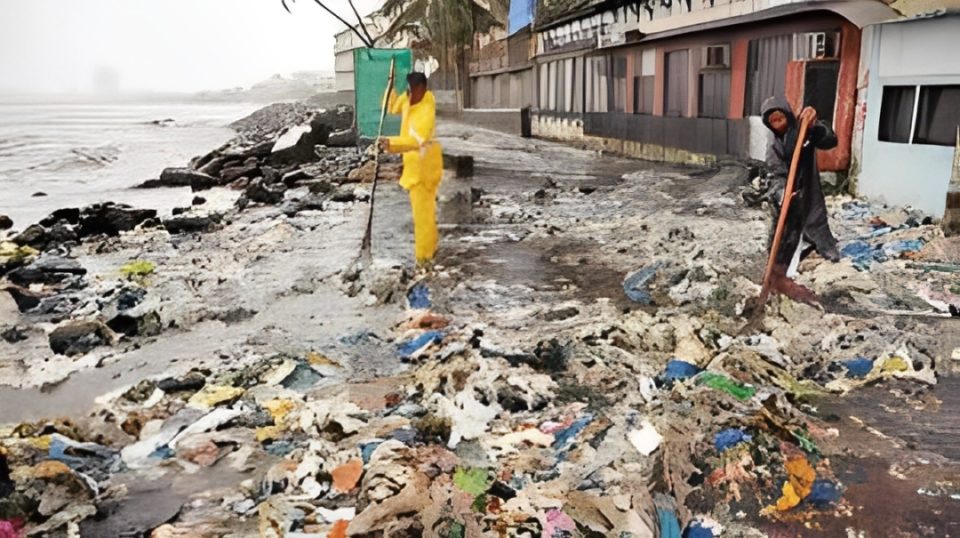
Cleanliness is often seen as a reflection of a nation’s commitment to public health, environmental care, and infrastructure development. While many countries have made great strides in improving sanitation and waste management, others struggle with pollution, poor waste disposal, and lack of proper sanitation facilities. This article looks at six countries grappling with significant environmental and cleanliness challenges, highlighting the factors contributing to their struggles.
Bangladesh
Why It’s Considered Dirty:
Bangladesh faces immense pollution challenges, particularly in its capital, Dhaka. Industrial waste, plastic pollution, and untreated sewage are major contributors. The Buriganga River, a vital waterway, is severely contaminated due to industrial effluents and household waste. Overpopulation and lack of strict environmental policies exacerbate the problem.
Key Issues:
Air pollution ranks among the worst globally.
Limited waste management infrastructure.
Overflowing landfills and rampant plastic usage.
India
Why It’s Considered Dirty:
India’s rapid urbanization and population growth have led to severe sanitation issues, especially in densely populated cities. Open defecation remains a problem in rural areas, despite government initiatives like the Swachh Bharat Abhiyan (Clean India Mission). Industrial waste and pollution from vehicles also contribute to the country’s environmental woes.
Key Issues:
Overcrowded cities with inadequate waste disposal.
River pollution, particularly in the Ganges.
High levels of air pollution.
Pakistan
Why It’s Considered Dirty:
Urban areas in Pakistan, such as Karachi and Lahore, struggle with uncollected garbage, overflowing sewage, and severe air pollution. Lack of awareness, insufficient infrastructure, and poor enforcement of environmental laws have worsened the situation. The country also faces challenges with water contamination and unsafe drinking water in many regions.
Key Issues:
Poor solid waste management systems.
Unregulated industrial emissions.
Contaminated water sources.
Nigeria
Why It’s Considered Dirty:
Nigeria’s cleanliness issues stem from rapid urban growth, inadequate waste management systems, and poor environmental policies. Cities like Lagos face a mounting garbage crisis, with plastic waste clogging waterways and causing flooding. Open dumping of waste and lack of proper sanitation facilities in many areas are persistent problems.
Key Issues:
Overflowing landfills and poor recycling practices.
Air pollution from vehicle emissions and generators.
Limited access to clean water and sanitation.
Haiti
Why It’s Considered Dirty:
Haiti’s ongoing struggle with poverty and natural disasters has led to significant sanitation and pollution issues. Many areas lack access to basic waste disposal systems, resulting in garbage piling up in streets and waterways. The 2010 earthquake further exacerbated the situation by destroying critical infrastructure.
Key Issues:
Open dumping of waste.
Contaminated drinking water sources.
Poor sewage management.
Indonesia
Why It’s Considered Dirty:
Indonesia faces severe pollution challenges, particularly in its cities and coastal areas. Jakarta, the capital, is plagued by air pollution and flooding caused by clogged drains and uncollected garbage. The country’s beautiful beaches and oceans suffer from plastic waste, earning it a spot among the world’s largest contributors to marine pollution.
Key Issues:
Plastic waste pollution in oceans.
Air pollution from forest fires and vehicles.
Inadequate urban waste management systems.
What These Countries Share in Common
Overpopulation: Rapid urbanization without adequate infrastructure exacerbates cleanliness challenges.
Poor Waste Management: Lack of organized systems for garbage collection and recycling is a common issue.
Environmental Neglect: Limited enforcement of environmental laws allows pollution to persist.
Poverty: Economic struggles often deprioritize investments in sanitation and waste management.
Conclusion
While these countries face significant challenges, many have started initiatives to address cleanliness issues. From grassroots campaigns to government programs, efforts are being made to tackle pollution and improve sanitation. However, lasting change requires collective action, education, and a commitment to environmental sustainability.
Addressing these challenges is not just about improving cleanliness but also about ensuring healthier lives and a better future for all.
