
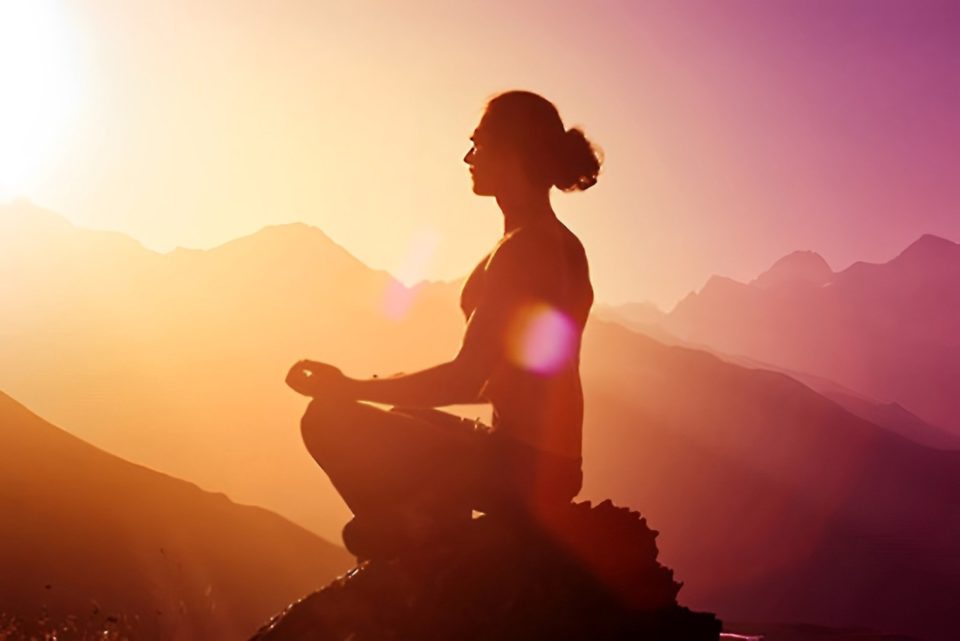
In today’s fast-paced world, it’s easy to feel overwhelmed and exhausted. We often push ourselves too hard, trying to juggle work, family, and personal responsibilities.This may cause burnout, increased stress, and even health issues. That’s why it’s important to take time to rest—not just physically, but also mentally and spiritually. Here are six different ways to rest your mind, body, and spirit, so you can feel more balanced and refreshed.
1. Physical Rest
Physical rest is the most basic type of rest and involves giving your body a break from physical activities. This can be as simple as lying down, taking a nap, or getting a good night’s sleep. Our bodies need rest to repair and rejuvenate, especially after a long day or intense exercise.
One way to ensure you’re getting enough physical rest is to establish a regular sleep routine. Going to bed and waking up at the same time each day helps regulate your body’s internal clock, making it easier to fall asleep and wake up feeling refreshed. If you find it difficult to sleep, try creating a relaxing bedtime routine, like reading a book, taking a warm bath, or practising deep breathing exercises.
2. Mental Rest
Our minds are constantly working, whether we’re thinking about work, solving problems, or making decisions. Mental rest is about giving your brain a break from this constant activity. It’s important to step away from mentally demanding tasks and allow your mind to relax.
One simple way to get mental rest is by taking short breaks throughout the day. This could mean stepping outside for a few minutes, doing a quick meditation, or just sitting quietly and focusing on your breathing. These small pauses can help clear your mind and reduce stress. Another effective method is to practise mindfulness. Mindfulness involves being present in the moment and letting go of worries about the past or future. By focusing on the here and now, you can give your mind a much-needed rest from constant thinking.
3. Emotional Rest
Emotional rest is about taking a break from the emotional demands of daily life. We often suppress our emotions or try to manage the emotions of others, which can be draining. Emotional rest involves allowing yourself to express your feelings and taking time to recharge.
One way to get emotional rest is by talking to someone you trust about how you’re feeling.You might talk to a friend, relative, or therapistSharing your emotions can help release built-up tension and provide relief. It’s also important to set boundaries and say no to activities or relationships that drain you emotionally. Giving yourself permission to step back from emotionally taxing situations can help you recharge and maintain emotional balance.
4. Social Rest
Social rest is about pausing from social engagements that leave you feeling drained.While spending time with loved ones can be energising, constantly being around people—especially those who demand a lot from you—can be exhausting. Social rest is about finding a balance between social interactions and time spent alone.
To get social rest, it’s okay to take a break from socialising and spend some time alone. This doesn’t mean isolating yourself, but rather giving yourself the space to recharge. You might find peace in spending time in nature, reading a book, or simply enjoying some quiet time. On the other hand, social rest can also mean spending time with people who lift you up and make you feel good. Choose to surround yourself with positive, supportive people who don’t drain your energy.
5. Creative Rest
Creative rest is about giving yourself a break from problem-solving and thinking outside the box. Whether it’s at work or in your personal life, we often use our creativity to come up with new ideas or solutions. While creativity is a valuable skill, it can also be draining if we don’t take time to rest.
To get creative rest, try engaging in activities that inspire you without requiring you to be creative. This could be listening to music, visiting a museum, or enjoying nature. These activities can help you feel more refreshed and recharged, allowing your creativity to flow more freely when you need it. Another way to get creative rest is by allowing yourself to enjoy hobbies without any pressure. Whether it’s painting, writing, or gardening, engage in creative activities just for the joy of it, without worrying about the outcome.
6. Spiritual Rest
Spiritual rest is about reconnecting with what gives your life meaning and purpose. This can involve engaging in religious practices, spending time in meditation, or simply reflecting on your values and beliefs. Spiritual rest helps you feel more grounded and connected to something greater than yourself.
One way to experience spiritual rest is by spending time in nature. Being in nature can soothe your mind and foster a deeper connection with your surroundings.Whether it’s taking a walk in the park, hiking in the mountains, or simply sitting by the ocean, being in nature can provide a sense of peace and spiritual renewal. Another way to get spiritual rest is by practising gratitude. Taking time each day to reflect on what you’re thankful for can help shift your focus from what’s lacking to what’s abundant in your life.
Final Thoughts
Rest is essential for maintaining a healthy and balanced life. By understanding the different types of rest—physical, mental, emotional, social, creative, and spiritual—you can take steps to ensure you’re recharging all aspects of your being. Incorporating these forms of rest into your daily routine can help you feel more energised, focused, and at peace. Keep in mind, rest isn’t just a luxury—it’s essential for your overall well-beingMake rest a priority, and you’ll find yourself better equipped to handle the challenges of life with a clearer mind, stronger body, and renewed spirit.
