
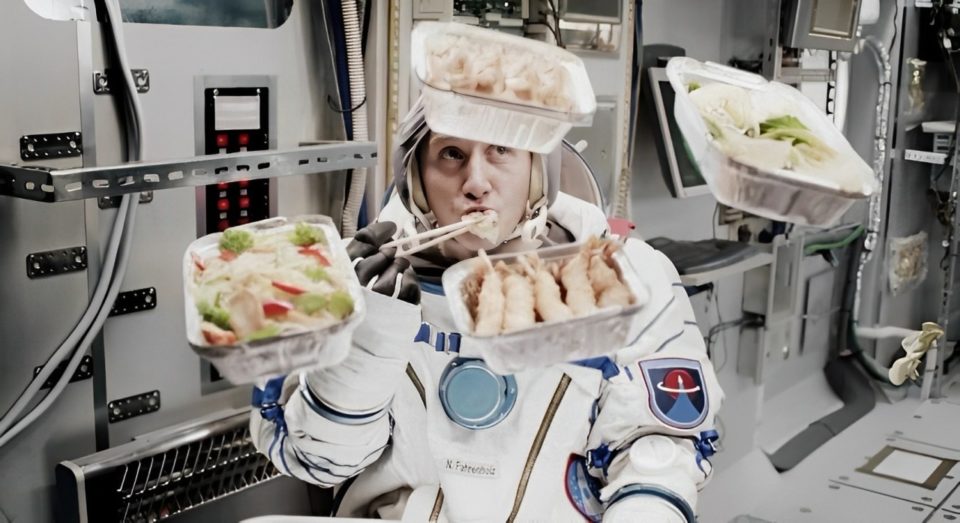
Space travel is a fascinating venture, but it comes with unique challenges, especially when it comes to eating. Astronauts have to be very careful about what they eat to ensure their safety and the smooth operation of their spacecraft. Here are five types of food that astronauts avoid eating in space and the reasons why.
1. Crumbly Foods
Examples:
Bread, crackers
Why Avoided:
In the microgravity environment of space, crumbs from bread and crackers can float around the spacecraft. These tiny particles can cause big problems. They can get into the eyes, float into sensitive equipment, or even be inhaled, posing a risk to astronauts’ health and the functionality of the spacecraft.
Alternative:
Instead of bread, astronauts often use tortillas. Tortillas don’t produce crumbs and are much easier to handle in space. They are flexible, can hold various fillings, and stay fresh for a longer period, making them a perfect substitute for crumbly bread.
2. Carbonated Beverages
Examples:
Soda, sparkling water
Why Avoided:
On Earth, the gas in carbonated drinks forms bubbles that rise to the top and escape. In space, without gravity, these bubbles don’t behave the same way. They stay mixed in with the liquid, leading to discomfort and digestive issues for astronauts. The gas can cause bloating and increased burping, which is uncomfortable and potentially hazardous in the confined space of a spacecraft.
Alternative:
Astronauts stick to flat beverages like water, fruit juices, and specially formulated drinks that provide necessary hydration without the discomfort of carbonation.
3. Salty Foods
Examples:
Salted nuts, chips, pretzels
Why Avoided:
Salt can cause dehydration, which is a significant concern in space. Additionally, just like crumbs, small salt particles can float around and become a nuisance or hazard. Excessive salt intake can also lead to increased blood pressure and other health issues, which are best avoided when far from medical facilities.
Alternative:
Meals for astronauts are often seasoned lightly, and they use liquid salt or sodium-rich sauces that can be dispensed in controlled amounts, ensuring they get enough flavour without the drawbacks of traditional salt.
4. Fresh Foods That Spoil Quickly
Examples:
Fresh fruits, vegetables, dairy products
Why Avoided:
Fresh foods tend to spoil quickly and can harbour bacteria, which is risky in space where there are no easy ways to manage waste or deal with foodborne illnesses. Additionally, fresh food takes up valuable storage space and often requires refrigeration, which is limited on a spacecraft.
Alternative:
Astronauts rely on freeze-dried and thermostabilized foods. These methods of preservation ensure that food lasts longer and remains safe to eat. For example, freeze-dried fruits and vegetables retain much of their nutritional value and flavour but can be stored safely for long periods.
5. Foods That Create Strong Odours
Examples:
Certain cheeses, fish, strong spices
Why Avoided: Strong odours can quickly permeate the closed environment of a spacecraft, making it unpleasant for everyone on board. In the confined quarters of a spacecraft, maintaining good air quality is crucial, and strong-smelling foods can be a distraction and a discomfort.
Alternative:
Meals for astronauts are carefully selected and designed to minimise strong odours. Mildly flavoured dishes are preferred, ensuring that the spacecraft remains a pleasant environment for all crew members.
Special Considerations for Space Food
Nutritional Balance:
Astronauts need a well-balanced diet to stay healthy during their missions. Their food is specially designed to provide all the necessary nutrients, vitamins, and minerals. Scientists and nutritionists work together to create meal plans that support astronauts’ physical and mental health.
Packaging:
Food packaging in space is also different from what we see on Earth. It needs to be lightweight, durable, and easy to use in microgravity. Often, foods are vacuum-sealed in pouches or packed in cans to ensure freshness and prevent contamination.
Preparation:
Many space foods require only the addition of water or simple heating. The International Space Station (ISS) has a galley with equipment to warm food and a water dispenser for rehydrating meals. This setup ensures that astronauts can enjoy hot, nutritious meals without complicated preparation.
Psychological Comfort:
Eating familiar and comforting foods can help astronauts deal with the stress and isolation of space missions. Therefore, space agencies try to include some variety and occasional treats to boost morale.
Conclusion
The unique environment of space requires careful planning and consideration when it comes to food. By avoiding crumbly foods, carbonated beverages, salty foods, quickly spoiling fresh foods, and foods with strong odours, astronauts can maintain their health and safety while ensuring a pleasant living environment aboard their spacecraft. These carefully selected and prepared meals help astronauts stay nourished and focused on their important missions.
