
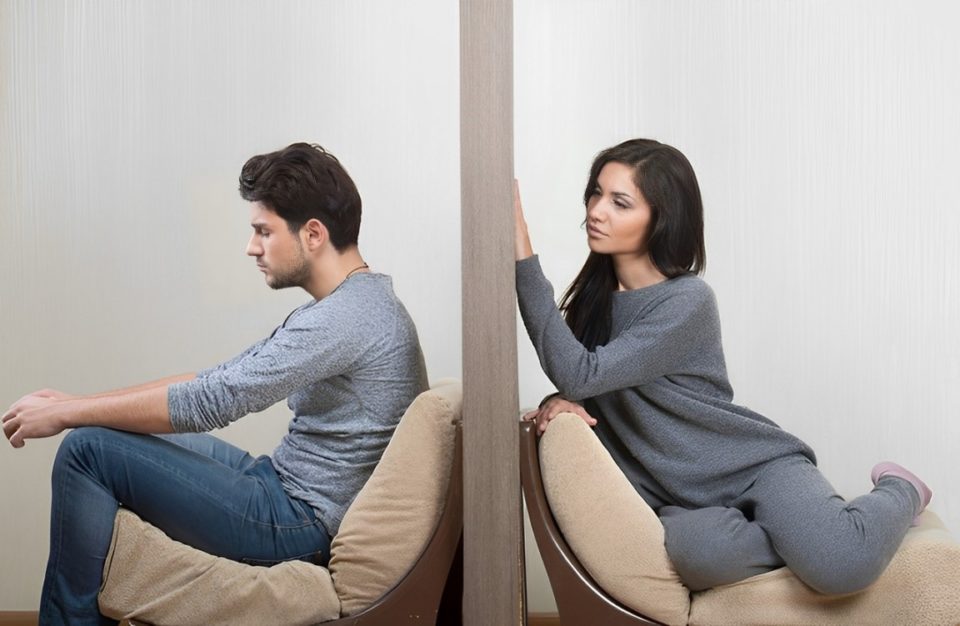
In any romantic partnership, it’s natural to rely on your partner for support and emotional connection. However, when dependence becomes excessive, it can start to erode the balance of the relationship, leading to emotional strain and even a loss of self-identity. Dependency in a relationship refers to an unhealthy reliance on your partner for happiness, validation, or self-worth. It is important to recognize these signs early to maintain a healthy, balanced dynamic. Here are three signs that you might be leaning too heavily on your relationship for emotional security.
Loss of Identity
When relationship dependency takes root, one of the most obvious signs is the gradual erosion of your personal identity. If you find yourself increasingly focused on meeting your partner’s needs or aligning your actions with their preferences, you may begin to lose track of who you are as an individual. In healthy relationships, both partners maintain their autonomy and sense of self. However, when dependence becomes unhealthy, you may start shaping your life entirely around your partner’s likes, dislikes, and expectations. You may even start doubting your own desires or feel uncomfortable pursuing personal interests or goals that don’t involve them. A loss of personal boundaries and the feeling that you can’t function without your partner’s approval can signify a deeper issue of dependency.
Why this happens:
A person who’s overly dependent may place their partner on a pedestal, believing that their worth is only validated through their partner’s acknowledgment. This creates a vicious cycle where the individual constantly seeks reassurance, often to the detriment of their own desires and growth.
Excessive Need for Reassurance
Another sign of relationship dependency is the constant need for reassurance from your partner. If you often ask questions like, “Do you still love me?” or “Are we going to be okay?” You may find yourself repeatedly asking your partner for confirmation about their feelings or worrying excessively about what lies ahead for the relationship.This type of behavior places unnecessary pressure on your partner, as they are tasked with providing continuous emotional validation. In a healthy relationship, trust and emotional self-sufficiency allow both partners to feel secure without needing constant affirmation.
Why this happens:
An individual with relationship dependency may not feel emotionally whole on their own. They look to their partner to fill emotional gaps, seeking validation and constant reassurance that they are worthy of love and affection. This need often arises from deep-rooted insecurities or past emotional wounds that haven’t been addressed.
Fear of Being Alone
A fear of being alone can be one of the most overwhelming signs of relationship dependency. If you find yourself unable to make decisions without your partner’s input, or if you feel anxious and uneasy when they’re not around, it may indicate a high level of dependency. Some people may avoid doing things independently—such as socializing with friends or pursuing solo activities—because they fear being left alone or feel inadequate without their partner. This can limit your emotional freedom and affect the health of your relationship. You may also experience anxiety or distress when facing situations that require you to be on your own for extended periods.
Why this happens:
People who fear being alone may struggle with low self-esteem or unresolved emotional trauma. The fear of abandonment can drive them to overcompensate by clinging to their partner, believing that they cannot manage life on their own. This fear often stems from a lack of self-sufficiency, where the person feels incomplete without their partner.
Conclusion
While it’s perfectly normal to have a close, intimate relationship with your partner, excessive dependency can undermine the foundation of the relationship and personal growth. Healthy relationships thrive on mutual understanding, trust, and emotional support, creating an environment where both partners feel valued and secure.They allow both partners to maintain their individuality while providing a sense of security and shared connection. If you notice any of these signs in your relationship, it may be time to reassess the balance of dependence and independence. Taking steps to nurture your own emotional health and ensuring that you both have space to grow as individuals will strengthen the partnership in the long run. If needed, consider seeking professional guidance, such as relationship counseling, to help restore a healthier dynamic and regain emotional independence.
