
Travel Desk
February 9, 2026
Pakistan is home to the largest concentration of glaciers outside the polar regions. These immense rivers of ice feed the Indus River system and shape some of the wildest landscapes on Earth. From easily accessible valley glaciers to remote high-altitude giants beneath the world’s tallest peaks, this 2026 guide highlights the top 10 glaciers that define Pakistan’s frozen frontier.
🧊 1. Batura Glacier: The Moving Highway
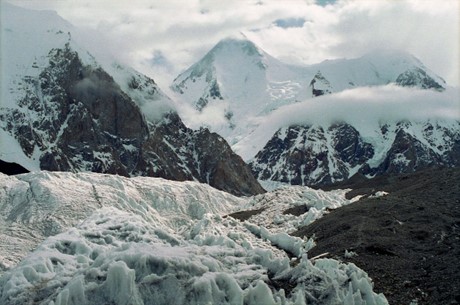
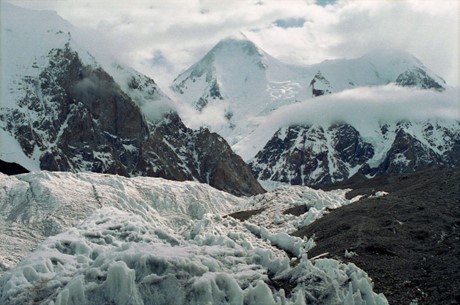
The Detail: Stretching 57 km, Batura is the 4th longest in Pakistan. It is a living glacier, surrounded by a dozen peaks over 7,000 meters (the Batura Wall).Unique Feature: Unlike many glaciers that require days of trekking to reach, Batura is bordered by lush summer pastures (Yashpirt) where Wakhi shepherds graze yaks. You can see the contrast of gray ice against purple wildflowers.
- Type: Valley Glacier
- Location: Gojal Valley, Hunza District (Karakoram Range)
- Coordinates: 36°32’N 74°39’E
- Length: 57 km (35 miles)
- Detail: Known as one of the most accessible large glaciers. It sits just north of the Batura massifs and offers a unique trekking experience where you walk alongside local summer pastures.
🧊 2. Abruzzi Glacier (The Royal Sentinel)
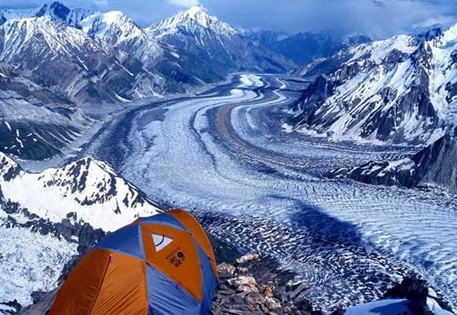
Named after the Duke of Abruzzi, who led the historic 1909 expedition, this powerful mountain glacier flows northwest from the Baltoro Kangri massifs. Feeding into the massive Baltoro system, it offers some of the most dramatic and uninterrupted views of K2’s southeastern face, making it a favorite for photographers and mountaineers seeking solitude away from the crowded Baltoro highway.
- Type: Mountain Glacier
- Location: Shigar District, Baltistan (Karakoram Range)
- Coordinates: 35°40’N 76°40’E
- Length: 63 km (39 miles)
- Unique Feature: Offers uninterrupted views of K2’s southeastern side and is less crowded than the main Baltoro route
🧊 3. Biafo Glacier (The Highway to Snow Lake)
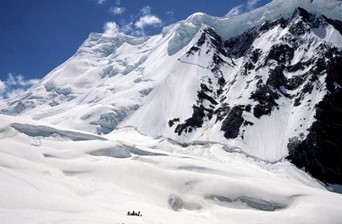
Stretching 67 km through the Karakoram Range, Biafo Glacier is one of the world’s longest non-polar glaciers. This massive frozen river connects with the Hispar Glacier at the legendary Snow Lake (Lukpe Lawo), forming nearly a 100 km continuous highway of ice — the longest glacial traverse outside the polar regions. The vast basin of Snow Lake is so expansive that it creates its own unique micro-weather system.
- Type: Valley Glacier
- Location: Shigar District (Karakoram Range)
- Coordinates: 35°41’N 75°55’E
- Length: 67 km (42 miles)
- Unique Feature: Connects with Hispar Glacier at Snow Lake, forming the longest glacial traverse outside the poles
🧊 4. Godwin-Austen Glacier (The Base of K2)
Originating from the mighty slopes of K2, the Godwin-Austen Glacier serves as the dramatic gateway to the world’s most dangerous mountain. Flowing past the base of K2, it eventually meets the Baltoro Glacier at the legendary Concordia — one of the most spectacular mountain junctions on Earth.
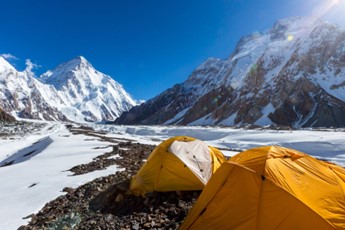
- Type: Mountain Glacier
- Location: Near K2, Baltistan (Karakoram Range)
- Coordinates: 35°48’N 76°31’E
- Length: Approximately 24 km
- Unique Feature: Terminates at Concordia, where it meets the Baltoro Glacier — the only place on Earth where four 8,000m peaks can be seen simultaneously
🧊 5. Gondogoro Glacier (The Gateway Pass)
Though relatively smaller compared to the giants of the Karakoram, Gondogoro Glacier holds major technical significance. Situated at the base of the dramatic Gondogoro La (5,585m), it serves as the adventurous exit route for trekkers completing the K2 Base Camp journey, offering a faster and more thrilling return toward Hushe Valley.
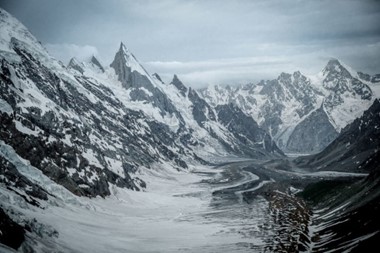
- Type: Mountain Glacier
- Location: Near Hushe Valley (Karakoram Range)
- Coordinates: 35°35’N 76°22’E
- Length: 12 km (7 miles)
- Unique Feature: Forms part of the challenging Gondogoro La pass (5,585m), used as a shortcut exit from the K2 Base Camp trek to reach Hushe Valley
🧊 6. Miar Glacier (The Black Ice of Hoper)
Located in the stunning Hoper Valley of Nagar, Miar Glacier is a dynamic and fast-moving surging glacier, sometimes advancing several inches per day. Covered in dark moraine debris, it appears almost black against the surrounding white peaks — giving it the dramatic look of a river of coal flowing through the Karakoram.
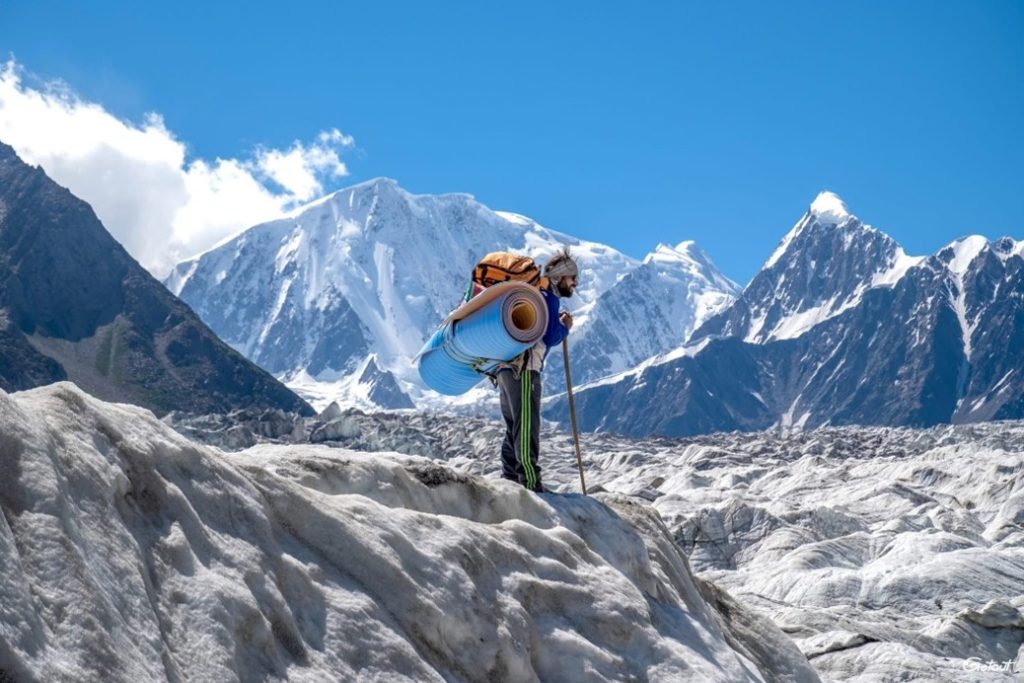
- Type: Valley Glacier
- Location: Hoper Valley, Nagar (Karakoram Range)
- Coordinates: 36°03’N 74°49’E
- Unique Feature: A moraine-covered ‘black’ glacier that can be reached within a 30-minute walk from the road, making it one of the most accessible glaciers in the region
🧊 7. Passu Glacier (The White Spires)
Situated just south of Passu village in Upper Hunza, Passu Glacier is one of the most visually striking glaciers in the Karakoram. Easily accessible via a short hike from the Karakoram Highway, it is famous for its dramatic white seracs — towering ice formations that resemble a frozen stormy sea beneath the iconic Passu Cones.
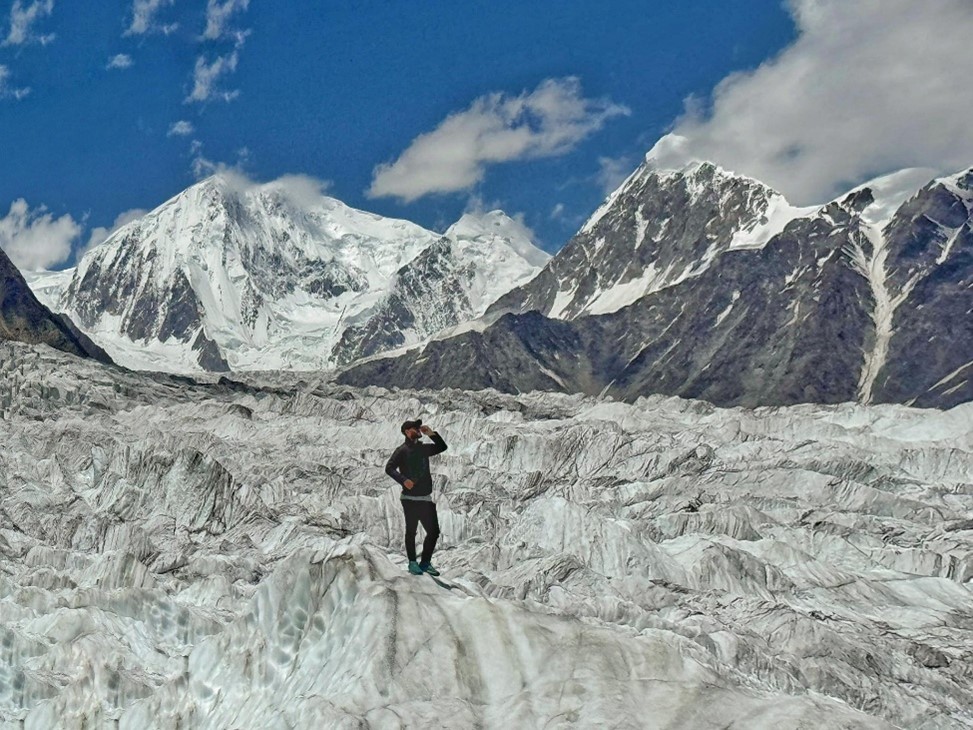
- Type: Valley Glacier
- Location: Passu, Upper Hunza (Karakoram Range)
- Coordinates: 36°27’N 74°53’E
- Unique Feature: Known for its sharp white seracs and clean appearance, making it a popular half-day trek easily accessible from the Karakoram Highway (KKH)
🧊 8. Rupal Glacier (The Himalayan Giant)
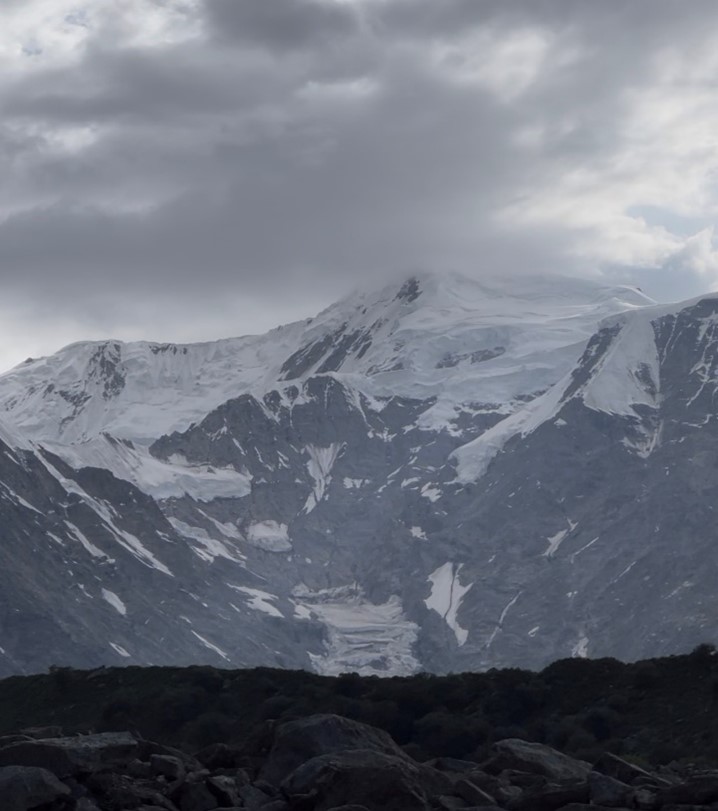
Rupal Glacier, located at the base of Nanga Parbat’s Rupal Face in the Himalayas, is a stunning alpine glacier. Unlike the Karakoram glaciers, it is surrounded by lush green meadows, offering the rare experience of standing in a field of daisies while gazing at a towering 4,500m ice wall. It feeds the Rupal River and provides a dramatic contrast between verdant landscapes and sheer glacial cliffs.
- Type: Alpine Glacier
- Location: Rupal Valley, Astore (Himalayan Range)
- Coordinates: 35°06’N 74°24’E
- Unique Feature: Surrounded by greenery at a lower latitude, with fields of flowers at the base of a 4,500m vertical ice wall
🧊 9. Siachen Glacier (The Land of Wild Roses)
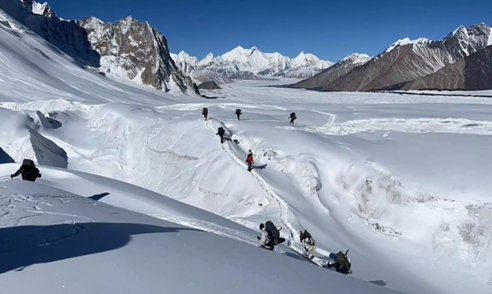
Stretching 76 km across the eastern Karakoram, Siachen Glacier is the largest glacier in the region and the second-longest outside the polar areas. Its name, meaning ‘Land of Wild Roses’ in Balti, reflects the Sia plants found nearby. While it is currently militarized and difficult to visit, Siachen remains a vital source of water for the Indus River and holds the distinction of being the highest battlefield in the world.
- Type: Valley Glacier
- Location: Eastern Karakoram
- Coordinates: 35°24’N 77°06’E
- Length: 76 km (47 miles)
- Unique Feature: The highest battlefield on Earth and a critical water source for the Indus River
🧊 10. Trango Glacier (The Vertical World)
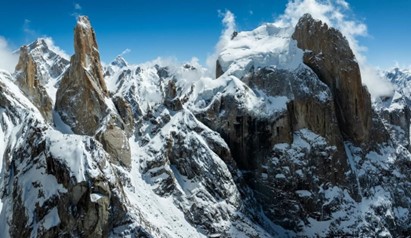
Trango Glacier, a smaller but iconic mountain glacier in the Baltoro Muztagh of the Karakoram, flows directly beneath the legendary Trango Towers. These granite spires, with vertical cliffs reaching up to 1,340m, make the glacier a natural base camp for elite rock climbers and a breathtaking site for adventurers exploring the Baltoro system.
- Type: Mountain Glacier
- Location: Baltoro Muztagh (Karakoram Range)
- Coordinates: 35°48’N 76°08’E
- Unique Feature: Lies beneath the Trango Towers, providing base camp access for climbers facing the world’s tallest vertical cliffs (1,340m sheer drop)
🗓️ Best Time to Visit (2026)
- Trekking Season: July to August is the prime window. Snow has melted from high passes, and weather is most stable.
- Shoulder Season: June and September are excellent for lower-altitude glacier views (like Passu or Batura) without the summer crowds.
- Winter: Generally avoided for glacier trekking due to extreme cold (-30°C) and high avalanche risk.
🎒 Essential Packing for Glacier Treks
- Footwear: Sturdy, waterproof trekking boots with crampon compatibility (if crossing passes).
- Clothing: Moisture-wicking base layers, a high-quality down jacket, and hardshell waterproof pants.
- Gear: UV-protection sunglasses (Category 4 recommended for snow glare), trekking poles, and a 20,000mAh power bank.
- Health: Altitude sickness medication (e.g., Diamox), high-SPF sunblock, and water purification tablets.
🛡️ Safety & Cultural Considerations
Cultural Sensitivity:
- Dress Modestly: Even while hiking, avoid shorts. Wear loose-fitting trousers and shirts.
- Local Interaction: Always ask for permission before taking photos of locals, particularly women.
- Respect Traditions: Northern Pakistan is culturally diverse; follow the lead of your local guide regarding village customs.
Responsible Tourism:
- • Leave No Trace: Glaciers are fragile ecosystems. Carry all plastic and waste back out with you.
- • Eco-Friendly Toileting: Use designated campsites to prevent contamination of glacial meltwater, which locals use for drinking.
🗺️ Experience Northern Pakistan with Expert Guidance
Safety First:
- Glacier travel involves hidden crevasses and unpredictable weather.
- For 2026 tours, it is highly recommended to hire certified mountain guides from the Alpine Club of Pakistan or local Gilgit-Baltistan associations.
Hassle-Free Logistics:
Northern Pakistan requires specific permits (especially for Siachen-adjacent areas or the Central Karakoram National Park). Professional tour operators handle these No Objection Certificates (NOCs) and arrange 4x4transport, which is essential for reaching glacier trailheads.
🏁 Conclusion
The glaciers of Pakistan are not just geographical landmarks; they are the lifelines of the region. From the towering spires of the Trango Glacier to the vast frozen highway of the Biafo, these sites offer a glimpse into the raw power of nature. By planning your 2026 trip with respect for the environment and local culture, you will experience one of the most magnificent landscapes on the planet.
Would you like me to draft a specific 14-day Glacier Explorer itinerary for your 2026 tour?
