
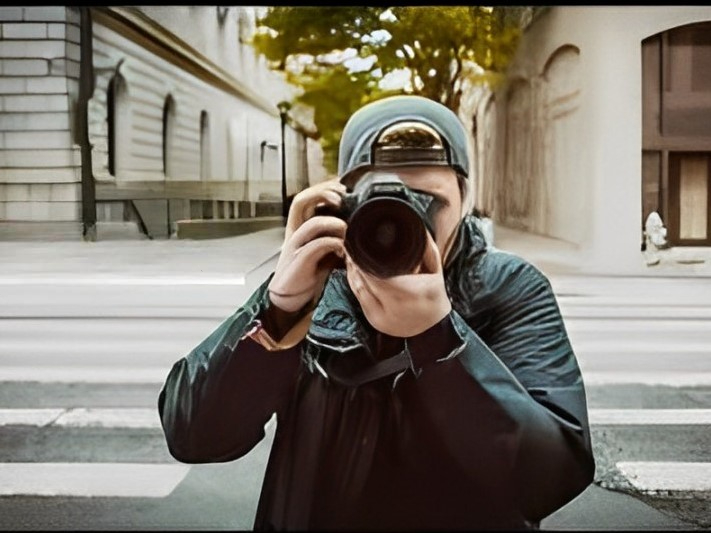
Photography is an art form that has evolved dramatically with the rise of digital cameras and social media. As professional photography becomes more accessible, misconceptions about it have multiplied. From the cost of gear to the skill required to succeed, many myths persist, often shaping how people perceive professional photographers. Let’s debunk 12 common lies about professional photography that you may have believed.
A Good Camera Doesn’t Make You a Pro
Owning a high-quality camera doesn’t make someone a professional photographer. The reality is that photography is an intricate balance of technical skill, creative vision, and experience. A good camera is just a tool, and the photographer’s knowledge of lighting, composition, and timing is what makes the difference between a snapshot and a professional image.
It’s All About Expensive Gear
While professional cameras and lenses can be costly, great photography isn’t purely about gear. Professional photographers understand how to use whatever equipment they have to its fullest potential. Many iconic photos were taken with basic cameras, proving that skill and creativity outweigh fancy tools.
Professional Photographers Just Click and Edit
The job of a photographer is far more complex than pressing a button and applying filters in editing software. A photographer spends hours planning shoots, understanding lighting, interacting with clients, and perfecting the technical details to deliver exceptional results. The post-processing stage, too, requires technical skills to enhance an image while preserving its authenticity.
All You Need is Photoshop
Photoshop is a powerful tool, but it can’t turn a bad photo into a great one. Professional photographers aim to capture the best possible image in-camera, relying on their understanding of light, angles, and settings. Editing software is used to refine and enhance, not to “fix” sloppy work.
Photography Isn’t a Real Job
This is a common misconception fueled by the idea that photography is “just a hobby.” In reality, professional photographers run full-scale businesses. They handle marketing, client management, budgeting, and post-production. Like any other creative profession, photography demands a high level of dedication, time, and expertise.
Photographers Can Work Anytime, Anywhere
Many assume that professional photographers have a carefree schedule. However, the reality is far more structured. Photographers have to work around client deadlines, specific lighting conditions (like the golden hour), and often spend long hours editing images. Flexibility is essential, but it doesn’t mean photographers are always free.
Every Photographer Has the Same Style
Just as every painter or writer has a unique style, every photographer has their own creative signature. From portrait to landscape, documentary to fashion, photographers specialize in different genres and bring their individual vision to their work. Hiring a photographer based solely on price without considering their style can lead to mismatched expectations.
Digital Cameras Have Made Photography Easy
Digital cameras have made photography more accessible, but they haven’t made it easier to take great photos. Professional photographers must master the technical aspects of their cameras and still deal with challenges like lighting, timing, and composition. A great camera doesn’t make these problems disappear.
Professional Photographers Don’t Need to Work on Their Skills
Photography is a constantly evolving field, with new technologies, techniques, and trends emerging all the time. Professional photographers need to keep up with these changes to stay competitive. They invest in continuing education, workshops, and practice to hone their craft and stay ahead of the curve.
Photographers Only Work During Photo Sessions
Many people believe that a photographer’s job starts and ends with a photoshoot, but that’s far from the truth. Most photographers spend more time editing, retouching, and managing business operations than they do shooting. On top of that, they need to spend time marketing their services, networking with potential clients, and constantly updating their portfolios.
If You’re Talented, You Don’t Need Marketing
Even the most talented photographers won’t succeed without marketing themselves. In today’s competitive industry, word of mouth isn’t enough. Photographers must invest time and energy into building a brand, maintaining a website, managing social media, and often working with marketing professionals to grow their business.
Professional Photographers Charge Too Much
One of the biggest misconceptions is that professional photographers charge exorbitant rates for “just a few hours of work.” In reality, a photographer’s fee covers much more than the time spent shooting. It includes pre-shoot planning, equipment costs, insurance, editing time, and years of experience. Their pricing reflects the value of a polished, professional result that captures moments in a way that an amateur simply cannot replicate.
Conclusion
Professional photography is far more than owning a fancy camera or having a natural “eye” for a shot. It’s a career that requires dedication, continuous learning, and a deep understanding of both art and business. The next time you come across one of these misconceptions, remember the hard work and skill that goes into making a professional photographer successful.
