
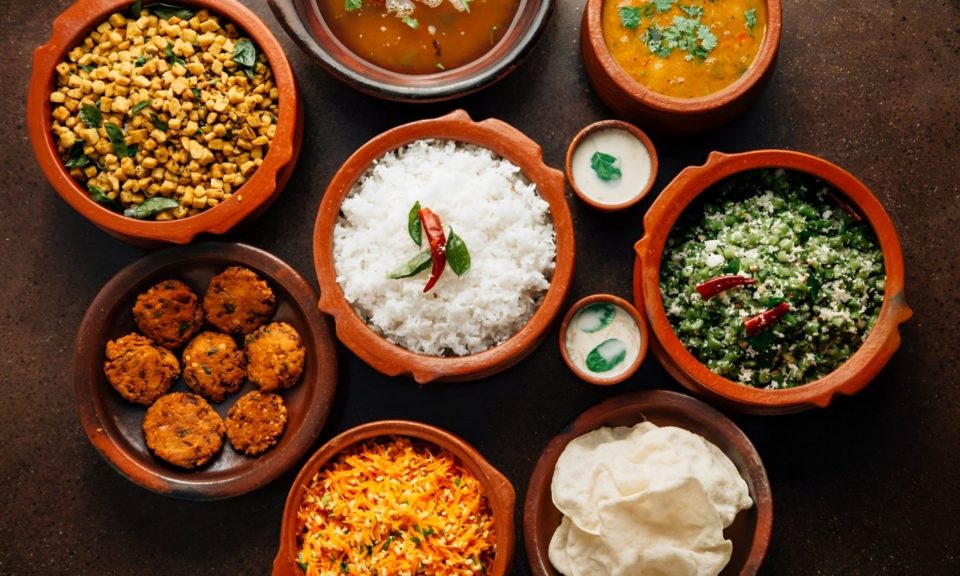
South Indian cuisine is famous for its rich flavours, vibrant colours, and healthy ingredients. Many of the traditional vegetable dishes from this region are not only delicious but also packed with essential nutrients. These dishes are often made using fresh vegetables, spices, and herbs that contribute to a balanced and nutritious diet. Let’s explore 10 South Indian vegetable delicacies that are true nutritional powerhouses.
1. Sambar
What It Is:
Sambar is a hearty vegetable stew made with lentils, tamarind, and a mix of vegetables like carrots, drumsticks, pumpkin, and tomatoes. It’s flavoured with a blend of spices and served with rice, idli, or dosa.
Nutritional Benefits:
Rich in Protein:
The lentils in sambar are an excellent source of plant-based protein, essential for muscle repair and overall health.
High in Fibre:
The variety of vegetables provides dietary fibre, aiding digestion and promoting gut health.
Packed with Vitamins:
Sambar is loaded with vitamins A and C, which are important for immune function and skin health.
2. Avial
What It Is:
Avial is a mixed vegetable dish cooked with coconut, yoghurt, and spices. It typically includes vegetables like carrots, beans, yam, and plantains, all simmered to perfection.
Nutritional Benefits:
Vitamin-Rich:
The mix of vegetables in Avial offers a wide range of vitamins, including A, C, and K.
Probiotics:
The yoghurt in Avial adds beneficial probiotics, which support gut health.
Healthy Fats:
Coconut adds healthy fats that are good for heart health.
3. Kootu
What It Is:
Kootu is a thick, flavorful dish made from lentils and vegetables like spinach, cabbage, or pumpkin, cooked with coconut and spices. It’s often enjoyed with rice.
Nutritional Benefits:
High in Iron:
The leafy greens in kootu provide iron, important for preventing anaemia.
Good Source of Calcium:
Coconut and greens contribute calcium, essential for strong bones.
Balanced Nutrients:
Kootu offers a good balance of carbohydrates, protein, and fat, making it a complete meal.
4. Poriyal
What It Is:
Poriyal is a dry vegetable stir-fry made with vegetables like cabbage, beans, or carrots, tempered with mustard seeds, curry leaves, and grated coconut.
Nutritional Benefits:
Low in Calories:
PorRich iyal is light and low in calories, making it a great option for weight management.
in Fibre:
The vegetables provide fibre, which aids in digestion and keeps you full longer.
Antioxidants:
The spices and curry leaves add antioxidants that protect the body from oxidative stress.
5. Thoran
What It Is:
Thoran is a traditional Kerala dish made with finely chopped vegetables like cabbage, spinach, or green beans, cooked with coconut, mustard seeds, and turmeric.
Nutritional Benefits:
Vitamin-Packed:
Thoran is rich in vitamins and minerals, particularly vitamin K and iron, which are vital for blood health.
Anti-inflammatory:
Turmeric in thoran has anti-inflammatory properties that can help reduce inflammation in the body.
Diet-Friendly:
Thoran is low in fat and high in nutrients, making it an excellent choice for those looking to eat healthily.
6. Rasam
What It Is:
Rasam is a flavorful, tangy soup made with tamarind, tomatoes, and an array of spices. It’s often served as a soup or with rice.
Nutritional Benefits:
Good for Digestion:
The spices in rasam, like cumin and black pepper, aid digestion and prevent bloating.
Rich in Antioxidants:
Tomatoes and tamarind are high in antioxidants, which help protect cells from damage.
Low in Calories:
Rasam is light and low in calories, making it a healthy addition to any meal.
7. Pachadi
What It Is:
Pachadi is a yoghurt-based side dish made with vegetables like cucumber, ash gourd, or beetroot, mixed with coconut and spices.
Nutritional Benefits:
Cooling Effect:
The yoghurt in pachadi cools the body, particularly during hot weather.
Good Source of Probiotics:
Yogurt adds beneficial bacteria that support digestive health.
Nutrient-Dense:
Depending on the vegetable used, pachadi provides a variety of nutrients, from vitamins to minerals.
8. Puli Kuzhambu
What It Is:
Puli Kuzhambu is a tangy, spicy curry made with tamarind and vegetables like okra, eggplant, or radish. It’s typically served with rice.
Nutritional Benefits:
High in Fibre: The vegetables in puli kuzhambu add dietary fibre, aiding in digestion.
Detoxifying:
Tamarind has natural detoxifying properties, helping to cleanse the liver.
Rich in Vitamins:
The vegetables provide essential vitamins, supporting overall health.
9. Mullangi Sambar
What It Is:
Mullangi Sambar is a variation of sambar made with radish as the main vegetable. It’s a flavorful dish often paired with rice.
Nutritional Benefits:
Rich in Vitamin C:
Radish is high in vitamin C, which supports the immune system and skin health.
Good for Digestion7:
The fibre in radish supports digestion and helps prevent constipation.
Low in Calories:
Mullangi sambar is filling but low in calories, making it a healthy option.
10. Keerai Masiyal
What It Is:
Keerai Masiyal is a simple dish made from mashed spinach or other leafy greens, cooked with minimal spices and often served with rice.
Nutritional Benefits:
Iron-Rich:
The fibre in radish supports digestion and helps prevent constipation.
High in Vitamins:
Leafy greens are loaded with vitamins A and C, which are important for eye health and immune function.
Low in Fat:
Keerai masiyal is low in fat and high in nutrients, making it a healthy side dish.
Conclusion
South Indian vegetable delicacies are not just delicious, but they are also packed with nutrition. By incorporating these dishes into your diet, you can enjoy a variety of flavours while also reaping the health benefits. From the protein-rich sambar to the vitamin-packed keerai masiyal, these dishes can support overall health and wellness, making them true nutritional powerhouses.
