
Nature is full of surprises, and sometimes even the names of animals can be misleading. Whether it’s because of how they look, where they’re from, or what they do, some animals have names that don’t quite match up with reality. In this article, we’ll explore ten animals with misleading names and uncover the truth behind them.
1. Flying Fox
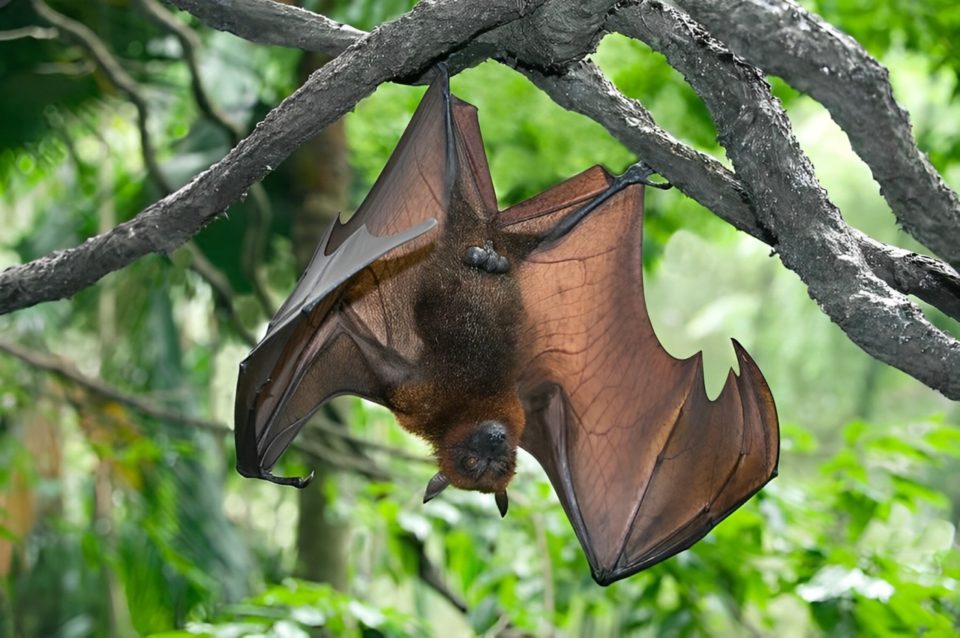
At first glance, you might think the flying fox is a type of fox that can soar through the skies. However, flying foxes are actually a group of large bats. They get their name because of their fox-like faces, but they are entirely different creatures.
The Reality:
Flying foxes are fruit bats, not foxes. They live in tropical regions and feed on fruits, nectar, and flowers. They are crucial for pollination and seed dispersal in their ecosystems.
2. American Buffalo
The American Buffalo, often seen in the wild West of the United States, isn’t actually a buffalo at all. Its proper name is the American Bison.
The Reality:
True buffalo, like the Cape Buffalo or the Water Buffalo, are native to Africa and Asia. The American Bison belongs to a different genus and has a distinct hump and thicker fur. The term “buffalo” likely stuck due to early European settlers mistakenly calling them by this name.
3. Guinea Pig
Guinea pigs are neither pigs nor are they from Guinea. These small, furry animals are popular pets, but their name is quite misleading.
The Reality:
Guinea pigs are rodents, and they originate from the Andes in South America, not Guinea. The “pig” part of their name comes from their squeaky, pig-like noises, while “Guinea” may refer to the old trade routes through Guinea, where they were first thought to have been traded.
4. Koala Bear
The Koala Bear is another animal with a misleading name. Koalas are often called bears because of their bear-like appearance, but they are not bears at all.
The Reality:
Koalas are marsupials, like kangaroos, meaning they carry their young in a pouch. They are native to Australia and spend most of their lives in eucalyptus trees, munching on leaves.
5. Electric Eel
You might assume the electric eel is a true eel, but it’s not.
The Reality:
Electric eels are known for their ability to generate electricity, which they use for hunting and self-defence. Unlike true eels, which belong to the Anguilliformes order, electric eels belong to the Gymnotiformes order and are more closely related to catfish.
6. Prairie Dog
Prairie dogs aren’t dogs at all; they’re actually rodents. These small, burrowing animals are found in the grasslands of North America.
The Reality: Prairie dogs are a type of ground squirrel, and their name comes from their dog-like barking sounds. They live in large colonies and have a complex social structure, with different “towns” or burrows connected by tunnels.
7. Cuttlefish
Despite its name, the cuttlefish isn’t actually a fish. It’s actually a marine mollusk related to squids and octopuses.
The Reality:
Cuttlefish possess a distinctive internal shell known as a cuttlebone, which aids in regulating their buoyancy. They are known for their incredible ability to change colours and textures to blend into their surroundings, making them fascinating creatures of the sea.
8. Starfish
Starfish, also known as sea stars, aren’t fish. They are echinoderms, a group of marine animals that also includes sea urchins and sand dollars.
The Reality:
Starfish have a radial symmetry, meaning their body parts are arranged around a central point. They move by using small tube feet found on their underside.Unlike fish, they don’t have gills, fins, or scales, making their name quite misleading.
9. Horned Toad
The horned toad, or horned lizard, is neither a toad nor a frog. This reptile is found in desert regions and is known for its spiky appearance.
The Reality:
Horned toads are lizards, and they belong to the reptile family. They are famous for their defence mechanism, which includes puffing up their bodies and even shooting blood from their eyes to deter predators.
10. Peanut Worm
The peanut worm might sound like a type of worm you’d find in your garden, but it’s actually a marine creature.
The Reality:
Peanut worms, or sipunculans, are soft-bodied, unsegmented marine worms that live in burrows or crevices on the ocean floor. They get their name because, when contracted, their body resembles a peanut.
Conclusion
As we’ve seen, not everything is as it seems when it comes to the names of these animals. Many of these names were given based on appearance, behaviour, or early misconceptions by those who discovered them. While their names might be misleading, these animals are fascinating in their own right.
Understanding the truth behind these misleading names helps us appreciate the diversity and complexity of the natural world. Next time you hear one of these names, you’ll know there’s more to the story than meets the eye. Whether it’s a flying fox that’s really a bat or a prairie dog that’s actually a rodent, each of these creatures has its own unique place in the animal kingdom.
