Travel Adventure Archives - MediaRay https://mediaray.blog/category/travel-adventure/ Latest News & Trends Fri, 03 Apr 2026 14:20:02 +0000 en-US hourly 1 https://wordpress.org/?v=6.9.4 https://mediaray.blog/wp-content/uploads/2018/01/favicon.png Travel Adventure Archives - MediaRay https://mediaray.blog/category/travel-adventure/ 32 32 Explore Pakistan’s secret natural wonders https://mediaray.blog/explore-pakistans-secret-natural-wonders/ https://mediaray.blog/explore-pakistans-secret-natural-wonders/#respond Sat, 04 Apr 2026 10:00:00 +0000 https://mediaray.blog/?p=17969 Pakistan is a country blessed with breathtaking landscapes, towering mountains, lush valleys, and hidden gems that many travelers have yet to discover. While famous places like the Karimabad Hunza Valley, Skardu, and Murree draw countless tourists every year, Pakistan is full of secret natural wonders waiting to be explored. From...

The post Explore Pakistan’s secret natural wonders appeared first on MediaRay.

]]>
Pakistan is a country blessed with breathtaking landscapes, towering mountains, lush valleys, and hidden gems that many travelers have yet to discover. While famous places like the Karimabad Hunza Valley, Skardu, and Murree draw countless tourists every year, Pakistan is full of secret natural wonders waiting to be explored. From untouched waterfalls to hidden lakes and remote mountains, the country offers endless adventure for nature lovers and explorers.

In this article, we will take you on a journey through some of Pakistan’s secret natural wonders that are lesser-known but equally mesmerizing.

Ratti Gali Lake – Azad Kashmir

Hidden high in the Neelum Valley, Ratti Gali Lake is an alpine glacial lake surrounded by snow-capped peaks and lush meadows. Accessible by trekking, it is a serene place perfect for adventure seekers and photographers. The lake remains crystal clear throughout the year, reflecting the surrounding mountains beautifully.

  • Best Time to Visit: June to September
  • Highlights: Trekking, camping, photography, untouched natural beauty

Kund Malir Beach – Balochistan

While beaches like Karachi’s Clifton Beach are famous, Kund Malir Beach is a hidden paradise located along the Makran Coastal Highway. With golden sand, turquoise water, and dramatic desert landscapes, it is a perfect spot for solitude and scenic photography.

  • Best Time to Visit: November to March
  • Highlights: Peaceful beach walks, sunsets, camping under the stars

Sheosar Lake – Deosai National Park

Deosai Plains, also known as the “Land of Giants”, is home to the Sheosar Lake, one of Pakistan’s most stunning secret lakes. Nestled at an elevation of over 4,100 meters, it is surrounded by rolling plains, wildflowers, and snow-capped peaks. The lake is incredibly calm and reflective, making it a surreal natural wonder.

  • Best Time to Visit: June to September
  • Highlights: Wildlife, trekking, photography, and camping

Satpara Lake – Skardu

Though Skardu is becoming a tourist hotspot, Satpara Lake remains a hidden gem. This natural freshwater lake is located just a few kilometers from Skardu city and offers peaceful surroundings, clear blue water, and stunning mountain views.

  • Best Time to Visit: April to October
  • Highlights: Boating, fishing, photography, and relaxation

Attabad Lake – Hunza Valley

Attabad Lake was created accidentally due to a landslide in 2010, but today it stands as a mesmerizing turquoise lake surrounded by mountains. Unlike other crowded tourist spots, it still retains a serene and untouched atmosphere, especially during weekdays.

  • Best Time to Visit: May to September
  • Highlights: Boating, jet skiing, photography, and nature walks

Kund Bangla – Gilgit-Baltistan

Kund Bangla is one of Pakistan’s most hidden high-altitude meadows, located in Ghizer Valley. With lush green pastures, crystal streams, and surrounding mountains, it is perfect for trekking, camping, and photography. The area remains relatively unexplored, giving travelers a true sense of adventure.

  • Best Time to Visit: June to September
  • Highlights: Trekking, camping, wildlife spotting

Ranikot Fort – Sindh

While not a natural lake or mountain, Ranikot Fort, also called the “Great Wall of Sindh”, is a hidden wonder surrounded by hills and greenery. This massive fort stretches over 26 kilometers, offering an epic combination of history and nature. The surrounding hills are ideal for hiking and exploring.

  • Best Time to Visit: October to March
  • Highlights: Hiking, photography, historical exploration

Kund Malir to Ormara Coastal Route – Balochistan

The drive along the Makran Coastal Highway from Kund Malir to Ormara is one of the most breathtaking secret journeys in Pakistan. With desert landscapes meeting the Arabian Sea, travelers can witness hidden beaches, cliffs, and clear blue waters away from the crowds.

  • Best Time to Visit: November to February
  • Highlights: Road trips, scenic photography, offbeat travel

Pir Sohawa – Islamabad

Located near Islamabad, Pir Sohawa is a hidden natural hill station overlooking the Margalla Hills National Park. The area offers panoramic views of Islamabad city, hiking trails, and cool mountain air, making it a perfect getaway from city life.

  • Best Time to Visit: March to October
  • Highlights: Hiking, nature walks, photography, scenic views

Bashigram Valley – Swat

Swat Valley is famous, but Bashigram Valley is a hidden gem with untouched natural beauty, waterfalls, and lush green fields. Surrounded by mountains, it provides peace, serenity, and adventure in one package.

  • Best Time to Visit: May to September
  • Highlights: Trekking, camping, nature photography

Tips for Exploring Pakistan’s Secret Natural Wonders

  1. Plan Ahead: Some hidden spots are remote and require trekking or long drives. Plan your trip accordingly.
  2. Hire Local Guides: Local guides can help you navigate offbeat paths and provide insights about the area.
  3. Respect Nature: These spots are often untouched, so avoid littering and preserve the natural beauty.
  4. Carry Essentials: Bring food, water, first aid, and camping gear for remote areas.
  5. Check Weather Conditions: Some areas, especially in Gilgit-Baltistan and Azad Kashmir, are only accessible in summer.

Why Explore Pakistan’s Hidden Gems?

Exploring Pakistan’s secret natural wonders allows travelers to:

  • Experience untouched beauty away from crowds
  • Discover offbeat destinations not found in guidebooks
  • Enjoy adventure and serenity together
  • Capture unique photography opportunities
  • Support local communities and eco-tourism

Pakistan is a country full of hidden treasures waiting to be explored. From high-altitude lakes to secret valleys, beaches, and historical forts, every corner offers something unique for travelers seeking adventure, peace, and beauty.

Final Thoughts

If you want a memorable adventure, exploring Pakistan’s secret natural wonders should be on your travel list. Whether you are an adventure seeker, nature lover, or photographer, the country offers endless untouched landscapes and hidden gems. Pack your bags, plan your trip carefully, and get ready to explore the hidden beauty of Pakistan—a journey you will never forget.

The post Explore Pakistan’s secret natural wonders appeared first on MediaRay.

]]>
https://mediaray.blog/explore-pakistans-secret-natural-wonders/feed/ 0 17969
Skardu & Ladakh – Comparison on nature & beauty https://mediaray.blog/skardu-vs-ladakh-top-places-to-visit/ https://mediaray.blog/skardu-vs-ladakh-top-places-to-visit/#respond Thu, 02 Apr 2026 14:43:20 +0000 https://mediaray.blog/?p=17958 Skardu and Ladakh are two of the most breathtaking destinations in South Asia. Nestled among the high mountains, both regions offer majestic landscapes, serene lakes, and a unique cultural experience. If you love adventure, nature, and photography, you might find it hard to choose between them. Let’s explore what makes...

The post Skardu & Ladakh – Comparison on nature & beauty appeared first on MediaRay.

]]>
Skardu and Ladakh are two of the most breathtaking destinations in South Asia. Nestled among the high mountains, both regions offer majestic landscapes, serene lakes, and a unique cultural experience. If you love adventure, nature, and photography, you might find it hard to choose between them. Let’s explore what makes Skardu and Ladakh so special and the top places to visit in each.

Skardu: The Jewel of Pakistan

Skardu is located in Gilgit-Baltistan, northern Pakistan. It is the gateway to some of the highest peaks in the world, including K2, the second tallest mountain on Earth. Skardu is famous for its stunning valleys, crystal-clear lakes, and peaceful surroundings. It’s perfect for travelers who love nature, trekking, and exploring remote areas.

1. Shangrila Resort

Often called “Heaven on Earth,” Shangrila Resort is a must-visit in Skardu. Surrounded by mountains and a beautiful lake, this place offers peace and incredible scenery. It’s perfect for photography, relaxing, and enjoying nature.

2. Satpara Lake

Satpara Lake is another gem of Skardu. Its turquoise waters are fed by melting glaciers, and it is surrounded by green hills. Visitors can enjoy boating here and spend a quiet day by the water, soaking in the natural beauty.

3. Shigar Fort

Shigar Fort is a historic fort that has been turned into a heritage hotel. It reflects the culture and history of the region. Walking through its old walls, gardens, and courtyards is like traveling back in time.

4. Deosai National Park

Known as the “Land of Giants,” Deosai National Park is famous for its wildflowers, vast plains, and wildlife. It is home to the Himalayan brown bear and many other rare animals. Visiting Deosai feels like stepping into a world untouched by humans.

5. Upper Kachura Lake

For adventure lovers, Upper Kachura Lake is a dream destination. It’s more remote than other lakes, with stunning clear water and a peaceful environment. Camping and trekking here is a unique experience.

Ladakh: The Land of High Passes

Ladakh is a region in northern India, often called the “Land of High Passes” because of its rugged mountains and high-altitude landscapes. Ladakh is famous for Buddhist monasteries, clear blue lakes, and thrilling road trips. It attracts adventurers, nature lovers, and spiritual travelers alike.

1. Pangong Lake

Pangong Lake is one of the most famous places in Ladakh. Its water changes color from blue to green to turquoise depending on the sunlight. The lake is surrounded by mountains and offers a magical view, especially during sunrise and sunset.

2. Nubra Valley

Nubra Valley is a high-altitude desert with sand dunes, monasteries, and unique wildlife. Visitors can ride double-humped Bactrian camels in the Hunder sand dunes, making it a fun and memorable experience.

3. Leh Palace

Leh Palace is an ancient palace that reflects the culture of Ladakh. Climbing to the top gives you a panoramic view of Leh city and the surrounding mountains. The palace is also close to the bustling Leh market, where you can shop for traditional souvenirs.

4. Hemis Monastery

Hemis Monastery is one of the largest and richest monasteries in Ladakh. It is famous for its annual Hemis Festival, where monks perform traditional dances in colorful costumes. Visiting Hemis offers insight into Buddhist traditions and local culture.

5. Tso Moriri Lake

Tso Moriri Lake is a peaceful alternative to Pangong Lake. Less crowded, it’s surrounded by snow-capped mountains and grasslands. This high-altitude lake is perfect for bird watching and quiet reflection.

Skardu vs Ladakh: Which One Should You Visit?

Choosing between Skardu and Ladakh is not easy because both places are stunning and unique. Here are some points to help you decide:

1. Scenery

  • Skardu: Known for lush green valleys, turquoise lakes, and glaciers. Ideal for nature lovers and photographers.
  • Ladakh: Famous for barren mountains, high passes, and unique landscapes. Perfect for adventure and road trips.

2. Adventure

  • Skardu: Trekking to glaciers and camping near lakes.
  • Ladakh: High-altitude trekking, camel rides in deserts, and road trips over mountain passes.

3. Culture

  • Skardu: Rich Balti culture with historic forts and traditional villages.
  • Ladakh: Tibetan Buddhist culture, colorful festivals, and monasteries.

4. Accessibility

  • Skardu: Can be reached by road or flights from Islamabad. Roads may be challenging but scenic.
  • Ladakh: Accessible by road from Manali or Srinagar. Flights to Leh are available, but roads can be tough in winter.

Tips for Travelers

  • Best Time to Visit:
    • Skardu: May to September, when the weather is mild and lakes are full.
    • Ladakh: June to September, when passes are open and the weather is favorable.
  • Health Precautions: Both regions are high-altitude areas. Stay hydrated and avoid sudden physical exertion to prevent altitude sickness.
  • Local Cuisine: Try local foods in both regions. Skardu offers traditional Balti dishes, while Ladakh is famous for thukpa (noodle soup) and momos (dumplings).
  • Photography: Both destinations are dreamlands for photographers. Sunrise, sunset, and clear skies offer amazing shots.

Conclusion

Skardu and Ladakh are two of the most beautiful travel destinations in the world. Skardu is perfect for nature lovers who enjoy lakes, mountains, and calm surroundings. Ladakh is ideal for adventure seekers who love high passes, deserts, and rich Buddhist culture.

No matter which one you choose, both Skardu and Ladakh promise unforgettable memories. If possible, visit both to experience the full beauty of the northern mountains. Every lake, valley, and monastery in these regions tells a story of nature, history, and culture that will stay with you forever.

The post Skardu & Ladakh – Comparison on nature & beauty appeared first on MediaRay.

]]>
https://mediaray.blog/skardu-vs-ladakh-top-places-to-visit/feed/ 0 17958
Lahore’s 12 Gates: A journey through history https://mediaray.blog/lahores-12-gates-a-journey-through-history/ https://mediaray.blog/lahores-12-gates-a-journey-through-history/#respond Tue, 31 Mar 2026 13:32:24 +0000 https://mediaray.blog/?p=17929 Lahore is one of the most historic and cultural cities in Pakistan. It is known for its rich past, beautiful architecture, and lively streets. One of the most fascinating parts of Lahore’s history is its 12 famous gates, which were once the main entrances to the old walled city. These...

The post Lahore’s 12 Gates: A journey through history appeared first on MediaRay.

]]>
Lahore is one of the most historic and cultural cities in Pakistan. It is known for its rich past, beautiful architecture, and lively streets. One of the most fascinating parts of Lahore’s history is its 12 famous gates, which were once the main entrances to the old walled city.

These gates were not just simple doors. They were symbols of protection, trade, culture, and daily life. Each gate has its own story, its own purpose, and its own charm. Even today, these gates remind us of the glory of old Lahore.

Let’s take a journey through history and explore the 12 gates of Lahore in simple words.

The Walled City of Lahore

In the past, Lahore was surrounded by a strong wall to protect it from enemies. This area is now known as the Walled City of Lahore. The wall had 12 gates, which allowed people to enter and exit the city.

Each gate was built for a specific reason. Some were used by traders, some by travelers, and others had military importance. These gates made Lahore a safe and organized city.

Delhi Gate

Delhi Gate is one of the most famous gates of Lahore. It was named because it faces the direction of Delhi, India.

This gate was an important entrance for travelers coming from Delhi. Even today, the area around Delhi Gate is full of life, with markets, food streets, and historical places.

Bhati Gate

Bhati Gate is known for its cultural and literary importance. Many famous poets and writers lived in this area.

The streets near Bhati Gate are lively and full of traditional food spots. It is a place where you can truly feel the spirit of old Lahore.

Lohari Gate

Lohari Gate got its name from the word “Lohar,” which means blacksmith. In the past, many blacksmiths worked near this gate.

This area was known for metalwork and tools. Today, it is still a busy market with a rich history.

Kashmiri Gate

Kashmiri Gate faces the direction of Kashmir. It was used by people traveling between Lahore and Kashmir.

This gate shows the connection between Lahore and the northern regions. It is an important part of the city’s travel history.

Taxali Gate

Taxali Gate is named after the word “Taxal,” which means mint (a place where coins were made).

During the Mughal period, coins were produced near this gate. The area is also known for its traditional music and cultural heritage.

Akbari Gate

Akbari Gate was named after the Mughal Emperor Akbar. It was one of the busiest gates because it led to large markets.

Traders used this gate to bring goods into the city. Even today, Akbari Mandi is one of the biggest grain markets in Lahore.

Shah Alam Gate

Shah Alam Gate is named after Emperor Shah Alam. This gate was rebuilt after being damaged in history.

The area around this gate is now a major commercial market, full of shops and business activities.

Mochi Gate

Mochi Gate is famous for its political and cultural importance. Many public gatherings and speeches were held here.

It is also known for Mochi Bagh, a place where people gathered for events and celebrations.

Roshnai Gate

Roshnai Gate means “Gate of Light.” It was beautifully lit at night during the Mughal era.

This gate is located near the Lahore Fort and Badshahi Mosque. It is one of the best-preserved gates and still shows its original beauty.

Yakki Gate

Yakki Gate is named after a saint named Zaki (Yakki). According to stories, he fought bravely to protect the city.

This gate represents courage and sacrifice in Lahore’s history.

Masti Gate

Masti Gate is located near the Lahore Fort. It is one of the oldest gates of the city.

The area is known for its historical importance and close connection to Mughal architecture.

Mori Gate

Mori Gate is the smallest of all the gates. It was mainly used for waste disposal and was not a main entrance like the others.

Despite its small size, it is still an important part of the city’s history.

Importance of the 12 Gates

The 12 gates of Lahore were more than just entry points. They played a key role in the city’s life:

  • Protection: They helped defend the city from attacks
  • Trade: Goods entered and left through these gates
  • Culture: Each gate had its own community and traditions
  • History: They reflect the Mughal and Sikh periods of Lahore

These gates show how organized and advanced Lahore was in the past.

Lahore Today

Today, many of these gates still exist, while some have been rebuilt. The Walled City of Lahore remains a popular place for tourists and locals.

Walking through these gates feels like stepping back in time. You can see old buildings, narrow streets, traditional food, and vibrant markets.

Efforts are being made to restore and preserve these historical sites so future generations can learn from them.

Conclusion

The 12 gates of Lahore are not just old structures—they are stories of the past. Each gate tells us something about the city’s culture, people, and history.

From busy markets to peaceful streets, these gates have seen centuries of life pass through them. They remind us of Lahore’s rich heritage and its importance in South Asian history.

Exploring these gates is like taking a journey through time. It helps us understand where we come from and appreciate the beauty of our past.

Lahore truly is a city of history, and its 12 gates are among its greatest treasures.

The post Lahore’s 12 Gates: A journey through history appeared first on MediaRay.

]]>
https://mediaray.blog/lahores-12-gates-a-journey-through-history/feed/ 0 17929
Hunza or Skardu: Best place to see blossom in pakistan https://mediaray.blog/hunza-or-skardu-best-place-to-see-blossom-in-pakistan/ https://mediaray.blog/hunza-or-skardu-best-place-to-see-blossom-in-pakistan/#respond Mon, 30 Mar 2026 14:14:55 +0000 https://mediaray.blog/?p=17922 Spring is one of the most beautiful seasons in Pakistan, and nothing marks it better than the blooming of flowers in the northern areas. Among the most famous destinations for blossom lovers are Hunza and Skardu. Both places offer breathtaking landscapes, colorful flowers, and fresh mountain air. But the question...

The post Hunza or Skardu: Best place to see blossom in pakistan appeared first on MediaRay.

]]>
Spring is one of the most beautiful seasons in Pakistan, and nothing marks it better than the blooming of flowers in the northern areas. Among the most famous destinations for blossom lovers are Hunza and Skardu. Both places offer breathtaking landscapes, colorful flowers, and fresh mountain air. But the question is: which one is better for experiencing the magical bloom of spring? Let’s explore both in simple and clear words.

Hunza: The Valley of Blossoms

Hunza Valley, located in the Gilgit-Baltistan region, is often called the jewel of Pakistan. It is famous for its cherry blossoms, apricot trees, and apple orchards. The best time to visit Hunza for blossoms is March to April, when the valley turns into a rainbow of colors.

Why Hunza is Special

  1. Apricot Blossoms – Hunza is known worldwide for its apricot trees. When the flowers bloom, the entire valley turns pink and white. Walking through Hunza in spring feels like stepping into a fairy tale.
  2. Cherry Blossoms – Many parts of Hunza, especially Karimabad, are filled with cherry trees. The soft pink flowers create a stunning contrast against the snow-capped mountains.
  3. Picturesque Villages – Villages like Karimabad and Altit are surrounded by orchards. You can enjoy the blossoms while exploring traditional Hunza culture and architecture.
  4. Karimabad Views – The view of Hunza from the Karimabad Fort during blossom season is magical. You can see mountains, valleys, and colorful flowers all at once.
  5. Friendly Locals – Hunza is known for its warm and welcoming people. They make your blossom trip even more memorable with their hospitality and delicious local food.

Things to Do in Hunza During Blossom Season

  • Take a walk through the apricot orchards and enjoy the fresh air.
  • Capture the beauty of cherry blossoms with your camera.
  • Visit historic sites like Altit Fort and Baltit Fort.
  • Try local Hunza dishes like Chapshuro and Apricot Jam.
  • Explore nearby valleys like Passu and Hopper Glacier for more scenic views.

Skardu: The Gateway to Nature’s Wonders

Skardu, also in Gilgit-Baltistan, is another amazing destination for blossom lovers. It is famous for its apple and cherry orchards and provides a unique experience compared to Hunza. Skardu’s landscape is slightly wilder and less crowded, making it perfect for nature lovers.

Why Skardu is Special

  1. Apple Blossoms – Skardu is famous for its apple orchards. During spring, these trees bloom beautifully, turning the valleys into white and pink carpets.
  2. Cherry and Peach Trees – In addition to apples, Skardu also has cherry and peach trees. The combination of these flowers makes the valley colorful and mesmerizing.
  3. Mountain Views – Unlike Hunza, Skardu is closer to some of the highest peaks in the world, including K2. The backdrop of blossoming orchards against towering mountains is breathtaking.
  4. Peaceful Environment – Skardu is less crowded than Hunza, so you can enjoy the blossoms in peace without too many tourists around.
  5. Shangrila and Satpara Lake – Skardu offers beautiful lakes and resorts where you can relax after exploring the orchards. These places also provide perfect spots for blossom photography.

Things to Do in Skardu During Blossom Season

  • Explore Skardu’s apple orchards and enjoy the fresh spring air.
  • Visit Shigar Fort and Shangrila Resort for a mix of culture and nature.
  • Take photos at Satpara Lake or Upper Kachura Lake surrounded by blooming trees.
  • Hike in the nearby valleys for panoramic mountain and blossom views.
  • Experience local Balti cuisine like Khambir, Marzan, and Butter Tea.

Hunza vs Skardu: Which is Better for Blossom Lovers?

Both Hunza and Skardu are incredible in spring, but your choice depends on what kind of experience you want.

Hunza Advantages

  • More colorful blossoms, especially apricots and cherries.
  • Beautiful villages with traditional architecture.
  • Iconic views from Karimabad Fort.
  • Easier access compared to some parts of Skardu.

Skardu Advantages

  • Less crowded and peaceful environment.
  • Stunning mountain backdrops with blossom views.
  • Unique lakes and resorts to relax during your trip.
  • More variety in apple orchards and less commercialized areas.

Best Time to Visit

  • Hunza – Late March to mid-April is ideal for apricot and cherry blossoms.
  • Skardu – April to early May is perfect for apple and cherry blooms.

Travel Tips

Book your stay early during blossom season as hotels can fill quickly.

Carry a camera to capture the stunning landscapes.

Dress in layers because spring mornings in the north can be chilly.

Respect local traditions while visiting villages and orchards.

Hire a local guide if you want to explore hidden blossom spots.

Conclusion

Both Hunza and Skardu are dream destinations for blossom lovers. Hunza is perfect if you want a vibrant, fairy-tale-like experience with apricot and cherry blossoms, while Skardu is ideal for those seeking peace, majestic mountains, and apple orchards.

No matter which destination you choose, visiting Pakistan’s northern areas in spring is an unforgettable experience. The colorful flowers, breathtaking landscapes, and fresh mountain air will stay in your memory forever.

So, whether you pick Hunza or Skardu, you are guaranteed a magical spring adventure filled with beauty, culture, and nature.

The post Hunza or Skardu: Best place to see blossom in pakistan appeared first on MediaRay.

]]>
https://mediaray.blog/hunza-or-skardu-best-place-to-see-blossom-in-pakistan/feed/ 0 17922
Why always Hunza ? A traveler’s dream! https://mediaray.blog/why-always-hunza-a-travelers-dream/ https://mediaray.blog/why-always-hunza-a-travelers-dream/#respond Thu, 26 Mar 2026 14:29:57 +0000 https://mediaray.blog/?p=17852 Whenever people talk about breathtaking beauty in Pakistan, one name always comes up: Hunza. Nestled in the northern areas of Pakistan, Hunza is often called a paradise on earth. But what makes it so special? Why do travelers, photographers, and nature lovers always choose Hunza as their top destination? Let’s...

The post Why always Hunza ? A traveler’s dream! appeared first on MediaRay.

]]>
Whenever people talk about breathtaking beauty in Pakistan, one name always comes up: Hunza. Nestled in the northern areas of Pakistan, Hunza is often called a paradise on earth. But what makes it so special? Why do travelers, photographers, and nature lovers always choose Hunza as their top destination? Let’s explore why Hunza always captures hearts.

Stunning Landscapes

Hunza is famous for its jaw-dropping landscapes. Snow-capped mountains, lush green valleys, sparkling rivers, and beautiful lakes make it one of the most scenic places in the world.

Whether it’s the Rakaposhi Peak, the Ultar Sar, or the Karimabad Valley, every corner of Hunza offers a picture-perfect view. For photographers and travelers alike, Hunza feels like a dream come true.

Pleasant Climate

One reason Hunza is always popular is its pleasant weather. Unlike the scorching heat of the plains, Hunza enjoys cool summers and crisp, snowy winters. The mild climate makes it perfect for outdoor activities like hiking, trekking, and sightseeing.

Even during the colder months, the valley has a unique charm with its snow-covered mountains and serene atmosphere, giving visitors an unforgettable experience.

Rich History and Culture

Hunza is not just about natural beauty; it’s also a treasure of history and culture. The valley has been home to the Hunza Kingdom for centuries. You can visit historical sites like the Baltit Fort and Altit Fort, which reflect the rich architectural style and heritage of the region.

The locals are known for their hospitality and friendliness, making visitors feel welcome and part of their community. Traditional Hunza culture, music, and food add to the charm of the region.

Incredible Trekking and Adventure Opportunities

For adventure lovers, Hunza is a paradise. It offers trekking, mountaineering, rock climbing, and hiking opportunities. Popular trails like Passu Glacier Trek, Hussaini Suspension Bridge, and Ultar Base Camp Trek attract adventure enthusiasts from all over the world.

The breathtaking views along these treks make the effort totally worth it. Hunza’s adventurous spirit is a big reason why travelers always return.

The Famous Hunza People

Hunza is also known for its healthy and long-living people. Many locals live well over 100 years, and their lifestyle, diet, and environment are often credited for their longevity.

Visitors are fascinated by their simple yet healthy life, which inspires many to adopt healthier habits. Learning about the Hunza people gives tourists a deeper connection to the valley.

Delicious Local Food

Food is another reason why Hunza remains a favorite. Traditional Hunza cuisine includes apricots, dried fruits, fresh vegetables, and yak meat. Their dishes are simple, natural, and incredibly tasty.

Hunza is also famous for its apricot soup, chapshuro, and apricot juice, which travelers rave about. Trying these local delicacies adds a unique flavor to the Hunza experience.

Safe and Friendly for Tourists

Hunza is considered one of the safest destinations in Pakistan for travelers. The locals are welcoming, and the area is peaceful, making it a favorite for solo travelers, families, and groups alike.

Unlike some tourist spots that feel crowded or commercialized, Hunza maintains a serene and calm atmosphere where visitors can truly relax and enjoy nature.

A Photographer’s Paradise

Hunza’s beauty is so surreal that it’s often called a photographer’s paradise. The combination of high mountains, flowing rivers, colorful valleys, and historical forts creates endless opportunities for stunning photographs.

From sunrise over the peaks to sunsets that turn the sky golden, every moment in Hunza feels like a scene from a movie. Social media lovers and professional photographers alike are drawn to Hunza again and again.

Festivals and Events

Hunza is also known for its festivals and cultural events. The Cherry Blossom Festival in spring, local music events, and traditional cultural celebrations allow visitors to experience Hunza’s vibrant culture firsthand.

Participating in these festivals adds a colorful and lively dimension to the trip, making it unforgettable.

A Place for Peace and Reflection

Beyond adventure, food, and photography, Hunza is a perfect place to relax and reflect. The peaceful environment, fresh mountain air, and breathtaking views make it easy to forget stress and reconnect with yourself.

Hunza offers a rare combination: adventure for thrill-seekers and peace for those who just want to escape the chaos of city life.

Conclusion

So why always Hunza? It’s simple: natural beauty, culture, adventure, safety, and peace all come together in one perfect destination. Whether you are an adventurer, a nature lover, a foodie, or someone looking for peace, Hunza has something special for everyone.

Visiting Hunza is not just a trip; it’s an experience that stays with you forever. The snow-capped peaks, lush valleys, historic forts, delicious food, and friendly people make Hunza the crown jewel of Pakistan’s northern areas.

Next time you plan a trip, remember why travelers always say: “Hunza is a must-see destination!”

The post Why always Hunza ? A traveler’s dream! appeared first on MediaRay.

]]>
https://mediaray.blog/why-always-hunza-a-travelers-dream/feed/ 0 17852
Top national parks in pakistan to visit https://mediaray.blog/top-national-parks-in-pakistan-to-visit/ https://mediaray.blog/top-national-parks-in-pakistan-to-visit/#respond Mon, 09 Mar 2026 10:11:44 +0000 https://mediaray.blog/?p=17796 Pakistan is a country full of natural beauty. From high mountains and green forests to wide deserts and beautiful rivers, the country has many landscapes that attract travelers and nature lovers. One of the best ways to explore this natural beauty is by visiting national parks. National parks protect wildlife,...

The post Top national parks in pakistan to visit appeared first on MediaRay.

]]>
Pakistan is a country full of natural beauty. From high mountains and green forests to wide deserts and beautiful rivers, the country has many landscapes that attract travelers and nature lovers. One of the best ways to explore this natural beauty is by visiting national parks.

National parks protect wildlife, forests, and natural environments. They also give people the chance to enjoy peaceful surroundings away from busy cities. Pakistan has many amazing national parks where visitors can see rare animals, beautiful scenery, and fresh mountain air.

Here are some of the top national parks in Pakistan you should visit if you love nature and adventure.
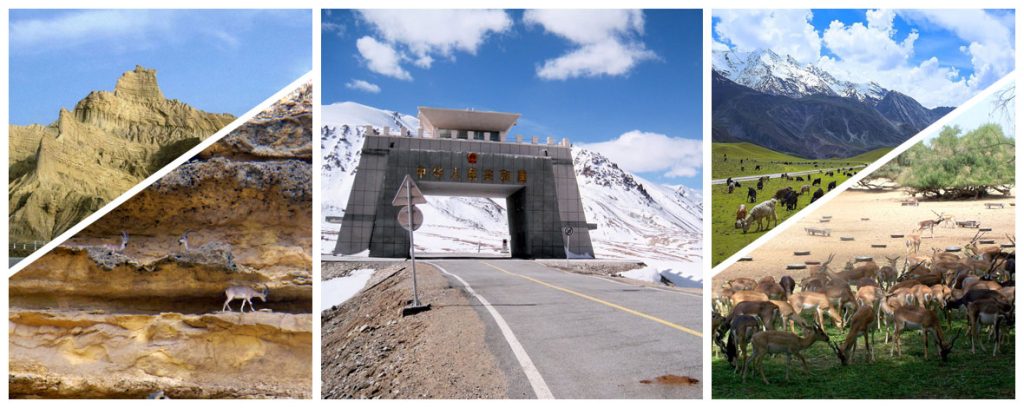
Deosai National Park

Deosai National Park is one of the most famous parks in Pakistan. You can find it between Skardu and Astore in the northern part of the country.Deosai is also known as the “Land of Giants” because of its wide plains and high altitude.

During summer, the park becomes a colorful field of wildflowers. Visitors can see beautiful lakes such as Sheosar Lake, which offers stunning views of nearby mountains. The park is also home to the rare Himalayan brown bear, along with foxes, marmots, and many bird species.

Deosai is perfect for camping, photography, and nature exploration.

Khunjerab National Park

Khunjerab National Park is located in the northern area of Gilgit-Baltistan near the border with China. It is one of the highest national parks in the world and is famous for its breathtaking mountain views.

The park is part of the Karakoram mountain range and is close to the Khunjerab Pass. Visitors traveling along the Karakoram Highway often stop here to enjoy the beautiful scenery.

Wildlife in this park includes snow leopards, ibex, wolves, and golden eagles. Although these animals are rarely seen, the park plays an important role in protecting them.

Khunjerab National Park is an amazing place for travelers who enjoy mountain landscapes and peaceful environments.

Lal Suhanra National Park

Lal Suhanra National Park is located near Bahawalpur in Punjab. It is one of the largest national parks in Pakistan and is unique because it includes desert, forest, and wetland ecosystems in one place.

The park has a large lake where visitors can see different types of birds, especially during the winter season when migratory birds arrive. Animals such as deer, wild boar, and jackals also live in the park.

Visitors can enjoy boating, wildlife watching, and relaxing in nature. Lal Suhanra is a great destination for families and nature lovers.

Hingol National Park

Hingol National Park is the largest national park in Pakistan and is located in Balochistan near the Makran Coastal Highway. This park is famous for its unique landscape, which includes mountains, deserts, and coastal areas.

One of the most popular attractions inside the park is the Princess of Hope, a natural rock formation that looks like a statue. Another famous site is the Hinglaj Mata Temple, which is an important religious place.

The park is home to wildlife such as ibex, chinkara deer, and different bird species. Visitors can also enjoy beautiful views of the Arabian Sea while traveling through the park.

Ayubia National Park

Ayubia National Park is located in Khyber Pakhtunkhwa near the hill station of Murree and Abbottabad. It is one of the most visited national parks because it is easily accessible and offers beautiful forest scenery.

The park is known for its tall pine trees, cool weather, and walking trails. One of the most famous attractions is the Pipeline Track, a walking path that offers amazing views of the surrounding hills.

Ayubia National Park is also home to animals such as monkeys, leopards, and many bird species. It is an ideal place for hiking, picnics, and relaxing in nature.

Chitral Gol National Park

Chitral Gol National Park is located near the town of Chitral in northern Pakistan. The park is surrounded by beautiful mountains and green valleys.

This park is famous for protecting the markhor, the national animal of Pakistan. Visitors may also see snow leopards, black bears, and different birds.

The peaceful environment and natural beauty make Chitral Gol a perfect place for travelers who want to experience untouched nature.

Margalla Hills National Park

Margalla Hills National Park is located near the capital city of Islamabad. It is one of the most popular parks for both locals and tourists.

The park offers hiking trails, viewpoints, and beautiful forests. Popular hiking trails such as Trail 3 and Trail 5 attract many visitors every weekend.

Wildlife in the park includes monkeys, wild boars, foxes, and many bird species. Because it is close to the city, it is a great place for people who want a quick escape into nature.

Why National Parks Are Important

National parks are not only beautiful places for visitors, but they also play an important role in protecting nature. They help conserve wildlife, forests, and natural ecosystems.

These parks also support tourism, which helps local communities and promotes awareness about protecting the environment.

By visiting national parks responsibly, people can enjoy nature while helping preserve it for future generations.

Conclusion

Pakistan is blessed with incredible natural landscapes, and its national parks are a perfect way to experience this beauty. From the high plains of Deosai to the coastal landscapes of Hingol, every park offers something unique.

Whether you enjoy hiking, wildlife watching, photography, or simply relaxing in nature, these parks provide unforgettable experiences.

If you love nature and adventure, visiting the top national parks in Pakistan should definitely be on your travel list.

The post Top national parks in pakistan to visit appeared first on MediaRay.

]]>
https://mediaray.blog/top-national-parks-in-pakistan-to-visit/feed/ 0 17796
Top 10 Incredible Glaciers in Pakistan (2026 Guide) https://mediaray.blog/17739-2/ https://mediaray.blog/17739-2/#respond Mon, 02 Mar 2026 07:28:56 +0000 https://mediaray.blog/?p=17739 Travel Desk February 9, 2026 Pakistan is home to the largest concentration of glaciers outside the polar regions. These immense rivers of ice feed the Indus River system and shape some of the wildest landscapes on Earth. From easily accessible valley glaciers to remote high-altitude giants beneath the world’s tallest...

The post Top 10 Incredible Glaciers in Pakistan (2026 Guide) appeared first on MediaRay.

]]>
Travel Desk

February 9, 2026

Pakistan is home to the largest concentration of glaciers outside the polar regions. These immense rivers of ice feed the Indus River system and shape some of the wildest landscapes on Earth. From easily accessible valley glaciers to remote high-altitude giants beneath the world’s tallest peaks, this 2026 guide highlights the top 10 glaciers that define Pakistan’s frozen frontier.

🧊 1. Batura Glacier: The Moving Highway

The Detail: Stretching 57 km, Batura is the 4th longest in Pakistan. It is a living glacier, surrounded by a dozen peaks over 7,000 meters (the Batura Wall).Unique Feature: Unlike many glaciers that require days of trekking to reach, Batura is bordered by lush summer pastures (Yashpirt) where Wakhi shepherds graze yaks. You can see the contrast of gray ice against purple wildflowers.

  • Type: Valley Glacier
  • Location: Gojal Valley, Hunza District (Karakoram Range)
  • Coordinates: 36°32’N 74°39’E
  • Length: 57 km (35 miles)
  • Detail: Known as one of the most accessible large glaciers. It sits just north of the Batura massifs and offers a unique trekking experience where you walk alongside local summer pastures.

🧊 2. Abruzzi Glacier (The Royal Sentinel)

Named after the Duke of Abruzzi, who led the historic 1909 expedition, this powerful mountain glacier flows northwest from the Baltoro Kangri massifs. Feeding into the massive Baltoro system, it offers some of the most dramatic and uninterrupted views of K2’s southeastern face, making it a favorite for photographers and mountaineers seeking solitude away from the crowded Baltoro highway.

  • Type: Mountain Glacier
  • Location: Shigar District, Baltistan (Karakoram Range)
  • Coordinates: 35°40’N 76°40’E
  • Length: 63 km (39 miles)
  • Unique Feature: Offers uninterrupted views of K2’s southeastern side and is less crowded than the main Baltoro route

🧊 3. Biafo Glacier (The Highway to Snow Lake)

Stretching 67 km through the Karakoram Range, Biafo Glacier is one of the world’s longest non-polar glaciers. This massive frozen river connects with the Hispar Glacier at the legendary Snow Lake (Lukpe Lawo), forming nearly a 100 km continuous highway of ice — the longest glacial traverse outside the polar regions. The vast basin of Snow Lake is so expansive that it creates its own unique micro-weather system.

  • Type: Valley Glacier
  • Location: Shigar District (Karakoram Range)
  • Coordinates: 35°41’N 75°55’E
  • Length: 67 km (42 miles)
  • Unique Feature: Connects with Hispar Glacier at Snow Lake, forming the longest glacial traverse outside the poles

🧊 4. Godwin-Austen Glacier (The Base of K2)

Originating from the mighty slopes of K2, the Godwin-Austen Glacier serves as the dramatic gateway to the world’s most dangerous mountain. Flowing past the base of K2, it eventually meets the Baltoro Glacier at the legendary Concordia — one of the most spectacular mountain junctions on Earth.

  • Type: Mountain Glacier
  • Location: Near K2, Baltistan (Karakoram Range)
  • Coordinates: 35°48’N 76°31’E
  • Length: Approximately 24 km
  • Unique Feature: Terminates at Concordia, where it meets the Baltoro Glacier — the only place on Earth where four 8,000m peaks can be seen simultaneously

🧊 5. Gondogoro Glacier (The Gateway Pass)

Though relatively smaller compared to the giants of the Karakoram, Gondogoro Glacier holds major technical significance. Situated at the base of the dramatic Gondogoro La (5,585m), it serves as the adventurous exit route for trekkers completing the K2 Base Camp journey, offering a faster and more thrilling return toward Hushe Valley.

  • Type: Mountain Glacier
  • Location: Near Hushe Valley (Karakoram Range)
  • Coordinates: 35°35’N 76°22’E
  • Length: 12 km (7 miles)
  • Unique Feature: Forms part of the challenging Gondogoro La pass (5,585m), used as a shortcut exit from the K2 Base Camp trek to reach Hushe Valley

🧊 6. Miar Glacier (The Black Ice of Hoper)

Located in the stunning Hoper Valley of Nagar, Miar Glacier is a dynamic and fast-moving surging glacier, sometimes advancing several inches per day. Covered in dark moraine debris, it appears almost black against the surrounding white peaks — giving it the dramatic look of a river of coal flowing through the Karakoram.

  • Type: Valley Glacier
  • Location: Hoper Valley, Nagar (Karakoram Range)
  • Coordinates: 36°03’N 74°49’E
  • Unique Feature: A moraine-covered ‘black’ glacier that can be reached within a 30-minute walk from the road, making it one of the most accessible glaciers in the region

🧊 7. Passu Glacier (The White Spires)

Situated just south of Passu village in Upper Hunza, Passu Glacier is one of the most visually striking glaciers in the Karakoram. Easily accessible via a short hike from the Karakoram Highway, it is famous for its dramatic white seracs — towering ice formations that resemble a frozen stormy sea beneath the iconic Passu Cones.

  • Type: Valley Glacier
  • Location: Passu, Upper Hunza (Karakoram Range)
  • Coordinates: 36°27’N 74°53’E
  • Unique Feature: Known for its sharp white seracs and clean appearance, making it a popular half-day trek easily accessible from the Karakoram Highway (KKH)

🧊 8. Rupal Glacier (The Himalayan Giant)

Rupal Glacier, located at the base of Nanga Parbat’s Rupal Face in the Himalayas, is a stunning alpine glacier. Unlike the Karakoram glaciers, it is surrounded by lush green meadows, offering the rare experience of standing in a field of daisies while gazing at a towering 4,500m ice wall. It feeds the Rupal River and provides a dramatic contrast between verdant landscapes and sheer glacial cliffs.

  • Type: Alpine Glacier
  • Location: Rupal Valley, Astore (Himalayan Range)
  • Coordinates: 35°06’N 74°24’E
  • Unique Feature: Surrounded by greenery at a lower latitude, with fields of flowers at the base of a 4,500m vertical ice wall

🧊 9. Siachen Glacier (The Land of Wild Roses)

Stretching 76 km across the eastern Karakoram, Siachen Glacier is the largest glacier in the region and the second-longest outside the polar areas. Its name, meaning ‘Land of Wild Roses’ in Balti, reflects the Sia plants found nearby. While it is currently militarized and difficult to visit, Siachen remains a vital source of water for the Indus River and holds the distinction of being the highest battlefield in the world.

  • Type: Valley Glacier
  • Location: Eastern Karakoram
  • Coordinates: 35°24’N 77°06’E
  • Length: 76 km (47 miles)
  • Unique Feature: The highest battlefield on Earth and a critical water source for the Indus River

🧊 10. Trango Glacier (The Vertical World)

Trango Glacier, a smaller but iconic mountain glacier in the Baltoro Muztagh of the Karakoram, flows directly beneath the legendary Trango Towers. These granite spires, with vertical cliffs reaching up to 1,340m, make the glacier a natural base camp for elite rock climbers and a breathtaking site for adventurers exploring the Baltoro system.

  • Type: Mountain Glacier
  • Location: Baltoro Muztagh (Karakoram Range)
  • Coordinates: 35°48’N 76°08’E
  • Unique Feature: Lies beneath the Trango Towers, providing base camp access for climbers facing the world’s tallest vertical cliffs (1,340m sheer drop)

🗓 Best Time to Visit (2026)

  • Trekking Season: July to August is the prime window. Snow has melted from high passes, and weather is most stable.
  • Shoulder Season: June and September are excellent for lower-altitude glacier views (like Passu or Batura) without the summer crowds.
  • Winter: Generally avoided for glacier trekking due to extreme cold (-30°C) and high avalanche risk.

🎒 Essential Packing for Glacier Treks

  • Footwear: Sturdy, waterproof trekking boots with crampon compatibility (if crossing passes).
  • Clothing: Moisture-wicking base layers, a high-quality down jacket, and hardshell waterproof pants.
  • Gear: UV-protection sunglasses (Category 4 recommended for snow glare), trekking poles, and a 20,000mAh power bank.
  • Health: Altitude sickness medication (e.g., Diamox), high-SPF sunblock, and water purification tablets.

🛡 Safety & Cultural Considerations

Cultural Sensitivity:

  • Dress Modestly: Even while hiking, avoid shorts. Wear loose-fitting trousers and shirts.
  • Local Interaction: Always ask for permission before taking photos of locals, particularly women.
  • Respect Traditions: Northern Pakistan is culturally diverse; follow the lead of your local guide regarding village customs.

Responsible Tourism:

  • • Leave No Trace: Glaciers are fragile ecosystems. Carry all plastic and waste back out with you.
  • • Eco-Friendly Toileting: Use designated campsites to prevent contamination of glacial meltwater, which locals use for drinking.

🗺 Experience Northern Pakistan with Expert Guidance

Safety First:

  • Glacier travel involves hidden crevasses and unpredictable weather.
  • For 2026 tours, it is highly recommended to hire certified mountain guides from the Alpine Club of Pakistan or local Gilgit-Baltistan associations.

Hassle-Free Logistics:

Northern Pakistan requires specific permits (especially for Siachen-adjacent areas or the Central Karakoram National Park). Professional tour operators handle these No Objection Certificates (NOCs) and arrange 4x4transport, which is essential for reaching glacier trailheads.

🏁 Conclusion

The glaciers of Pakistan are not just geographical landmarks; they are the lifelines of the region. From the towering spires of the Trango Glacier to the vast frozen highway of the Biafo, these sites offer a glimpse into the raw power of nature. By planning your 2026 trip with respect for the environment and local culture, you will experience one of the most magnificent landscapes on the planet.

Would you like me to draft a specific 14-day Glacier Explorer itinerary for your 2026 tour?

The post Top 10 Incredible Glaciers in Pakistan (2026 Guide) appeared first on MediaRay.

]]>
https://mediaray.blog/17739-2/feed/ 0 17739
The concrete palace on the outskirts of paris https://mediaray.blog/the-concrete-palace-on-the-outskirts-of-paris/ https://mediaray.blog/the-concrete-palace-on-the-outskirts-of-paris/#respond Fri, 04 Jul 2025 11:00:00 +0000 https://mediaray.blog/?p=15993 Not far from the romantic sprawl of central Paris—past the glossy boutiques, iron balconies, and postcard landmarks—stands something altogether different. Stark, massive, and unapologetically modern, it’s known by many names: a fortress, a failure, a utopia, a prison. But to those who live inside it, it’s simply home. This is...

The post The concrete palace on the outskirts of paris appeared first on MediaRay.

]]>
Not far from the romantic sprawl of central Paris—past the glossy boutiques, iron balconies, and postcard landmarks—stands something altogether different. Stark, massive, and unapologetically modern, it’s known by many names: a fortress, a failure, a utopia, a prison.

But to those who live inside it, it’s simply home. This is the story of Le Palais du Congrès de Créteil, a towering example of 20th-century ambition and architectural rebellion. A place that critics call ugly, artists call poetic, and residents call their own.

A Brutalist Vision of the Future

Constructed in the 1970s during a period of rapid urban expansion, this “concrete palace” is a brutalist behemoth—a structure defined by its raw cement walls, heavy symmetry, and unapologetically industrial aesthetic.

It was designed not just to be housing, but a self-contained world. Inside its geometric skin were apartments, libraries, cultural centers, and green spaces. Architects imagined it as the solution to urban crowding—an ideal city on the outskirts, where families could live surrounded by modern convenience and escape the density of inner Paris.

From Promise to Polarization

When it opened, the complex was hailed by some as visionary. But for others, it quickly became symbolic of the failures of urban planning. The rows of identical concrete blocks felt cold and impersonal. Maintenance lagged. Crime crept in. Over time, media outlets and outsiders began to refer to it as a “concrete jungle”—a place associated more with decay than design.

But this narrative missed something important.

Inside the towering walls, life continued. Families built communities. Artists found inspiration. Stories unfolded behind the heavy curtains of cement—stories that would never be captured by headlines or stereotypes.

Art Amid the Gray

The concrete palace has, unexpectedly, become a muse. Photographers, filmmakers, and street artists have all turned their lens toward it—not out of irony, but reverence. Its sharp lines, repetitive patterns, and dramatic shadows create a cinematic quality that many find hauntingly beautiful.

More importantly, the people within it have redefined it. Murals bloom on blank walls. Community gardens sprout in courtyards. What was once dismissed as lifeless is now layered with color, culture, and memory.

It is no longer just a structure. It is a living city within a city.

The Quiet Resilience of the Suburbs

In many ways, the concrete palace tells a larger story about the French banlieues—the suburban zones surrounding Paris that are often overlooked or misrepresented. These are not just commuter towns or concrete corridors. They are vibrant, complex, and deeply human spaces where people face challenges, yes—but also build futures.

While central Paris remains curated and iconic, the outskirts reveal a different kind of beauty: one that’s rougher, grittier, but no less real. It’s where architectural idealism collided with economic reality. And yet, through all of that, life adapted.

Conclusion

The Concrete Palace on the outskirts of Paris may not look like Versailles. It doesn’t sparkle with gold or draw crowds of tourists. But it holds something more enduring: the quiet resilience of working families, the unexpected artistry of urban survival, and the complicated legacy of 20th-century dreams.

To walk its corridors is to walk through an idea—unfinished, debated, and deeply alive.
And in that way, it might just be the most honest palace Paris has ever built.

The post The concrete palace on the outskirts of paris appeared first on MediaRay.

]]>
https://mediaray.blog/the-concrete-palace-on-the-outskirts-of-paris/feed/ 0 15993
Which city on earth is considered the oldest https://mediaray.blog/which-city-on-earth-is-considered-the-oldest/ https://mediaray.blog/which-city-on-earth-is-considered-the-oldest/#respond Wed, 02 Jul 2025 11:00:00 +0000 https://mediaray.blog/?p=15959 The question of which city is the oldest in the world might seem simple—but it’s anything but. Civilizations have risen and fallen, maps have changed, and names have evolved. But one city has stood the test of time, with a history so long it blurs the line between ancient legend...

The post Which city on earth is considered the oldest appeared first on MediaRay.

]]>
The question of which city is the oldest in the world might seem simple—but it’s anything but. Civilizations have risen and fallen, maps have changed, and names have evolved. But one city has stood the test of time, with a history so long it blurs the line between ancient legend and archaeological fact.

So, which city on Earth is considered the oldest?
Answer: Damascus, Syria.

A City Older Than History Itself

Damascus is often called the oldest continuously inhabited city in the world. Archaeological evidence suggests it has been occupied since as early as 10,000 to 8,000 BCE, and written records date back to around 3,000 BCE. That’s over 11,000 years of human presence in the same location—an almost unimaginable timespan.

While other ancient cities like Jericho (Palestine), Byblos (Lebanon), and Aleppo (Syria) also make strong claims, Damascus stands out because of its unbroken continuity. People have lived there without interruption—through empires, wars, earthquakes, and modernization.

Why Damascus?

Damascus’s location played a huge role in its longevity. Nestled near the Barada River and at the crossroads of major ancient trade routes, it became a natural hub for commerce, culture, and power.

Its strategic position attracted empires and conquerors:

  • Egyptians
  • Arameans
  • Persians
  • Greeks under Alexander the Great
  • Romans
  • Byzantines
  • Islamic Caliphates
  • Ottoman Empire

And yet, despite changes in rulers and religions, the city remained alive—its identity evolving but never disappearing.

Layers of Civilization

Walk through Damascus today, and you’re essentially walking through history stacked in layers. The Old City, a UNESCO World Heritage Site, is home to:

  • The Umayyad Mosque, one of the oldest and largest mosques in the world.
  • Ancient Roman gates and streets.
  • Markets (souks) that have been running for over a millennium.
  • Christian, Muslim, and Jewish quarters—testimony to the city’s deep religious history.

Each stone and alley carries echoes of past civilizations, making Damascus not just old, but profoundly alive with history.

Contenders: Other Ancient Cities

While Damascus wears the crown, it’s worth acknowledging other ancient cities that could rival it:

  • Jericho, Palestine: Possibly inhabited as early as 9,000 BCE, but with intermittent gaps in settlement.
  • Byblos, Lebanon: Considered the oldest continuously inhabited port city, dating back to around 5,000 BCE.
  • Aleppo, Syria: Another strong contender, with continuous habitation stretching back to 6,000 BCE, possibly earlier.
  • Varanasi, India: Holds spiritual and cultural significance with ancient roots, though its archaeological evidence is harder to date precisely.

Conclusion

To call Damascus the oldest city isn’t just about numbers—it’s about endurance. Through millennia of change, it has remained a beating heart of human civilization. It’s a living museum, a crossroads of ancient and modern, where the past isn’t buried—it breathes.

In a world obsessed with the new, Damascus reminds us of the power of persistence—of cities and cultures that refuse to disappear.

The post Which city on earth is considered the oldest appeared first on MediaRay.

]]>
https://mediaray.blog/which-city-on-earth-is-considered-the-oldest/feed/ 0 15959
How decolonization is changing european museums https://mediaray.blog/how-decolonization-is-changing-european-museums/ https://mediaray.blog/how-decolonization-is-changing-european-museums/#respond Thu, 20 Mar 2025 08:52:00 +0000 https://mediaray.blog/?p=15355 For centuries, European museums have been filled with artifacts, artworks, and cultural objects taken from colonized lands. These institutions have long been viewed as symbols of knowledge and preservation, but they also carry a legacy of imperialism and exploitation. In recent years, the push for decolonization has forced museums across...

The post How decolonization is changing european museums appeared first on MediaRay.

]]>
For centuries, European museums have been filled with artifacts, artworks, and cultural objects taken from colonized lands. These institutions have long been viewed as symbols of knowledge and preservation, but they also carry a legacy of imperialism and exploitation. In recent years, the push for decolonization has forced museums across Europe to confront this painful history, reevaluate their collections, and make significant changes in how they operate. This movement is not just about returning stolen artifacts; it is about transforming the very foundation of these institutions and redefining their role in a post-colonial world.

The Historical Burden of European Museums

Many of Europe’s most prestigious museums, including the British Museum, the Louvre, and the Humboldt Forum, house vast collections of objects acquired during colonial rule. These artifacts were often taken under questionable circumstances, either through looting, forced exchanges, or exploitative trade agreements. For decades, museums have defended their ownership by arguing that they serve as global custodians of culture, preserving artifacts for future generations. However, this argument has been increasingly challenged by nations demanding the return of their cultural heritage.

One of the most well-known cases is the Benin Bronzes, a collection of thousands of metal plaques and sculptures taken from the Kingdom of Benin (modern-day Nigeria) by British forces in 1897. These artifacts are now scattered across museums in Europe and the United States, and their return has become a key issue in the decolonization debate. Similarly, Greece has long demanded the return of the Parthenon Marbles from the British Museum, while Egypt continues to push for the repatriation of the Rosetta Stone.

Steps Toward Decolonization

Decolonization in museums goes beyond repatriation. It involves a fundamental shift in how museums present history, engage with source communities, and acknowledge the colonial violence behind their collections. Some of the major steps being taken include:

Repatriation of Artifacts: Many museums have started returning looted objects to their countries of origin. In 2021, France returned 26 stolen artifacts to Benin, while Germany agreed to return hundreds of Benin Bronzes to Nigeria. These acts represent a growing recognition that stolen heritage must be returned.

Reframing Narratives: Museums are increasingly revising their exhibitions to include the perspectives of formerly colonized peoples. Instead of glorifying European explorers and collectors, institutions are acknowledging the violent histories behind their collections. The Rijksmuseum in Amsterdam, for example, has introduced new exhibitions that critically examine Dutch colonial history.

Collaborating with Source Communities: Some museums are engaging with indigenous and local communities to co-curate exhibitions and ensure that their stories are told authentically. The Humboldt Forum in Berlin has begun working with representatives from African nations to decide how their artifacts should be displayed.

Decolonial Education and Public Engagement: Museums are launching programs to educate the public about colonial history and its lasting impacts. Through workshops, lectures, and interactive displays, they aim to challenge Eurocentric narratives and foster greater understanding of global histories.

The Resistance to Change

Despite growing momentum, decolonization efforts in European museums have faced resistance. Some argue that returning artifacts will empty museums and deprive the public of cultural treasures. Others claim that artifacts are safer in European institutions, where they are preserved under optimal conditions. There is also the concern that repatriation could set a precedent leading to widespread demands for the return of cultural objects, potentially destabilizing museum collections.

Political opposition has also played a role in slowing decolonization efforts. Some European governments have been reluctant to fully support repatriation efforts, fearing diplomatic tensions or losing valuable cultural assets. However, the increasing international pressure and ethical considerations are making it difficult for museums to ignore these demands.

The Future of European Museums in a Decolonized World

The decolonization of museums is not a passing trend; it represents a profound transformation in how cultural institutions function. As more artifacts are returned, museums will need to rethink their missions, focusing less on possession and more on collaboration, education, and ethical stewardship. The future of museums may involve more traveling exhibitions, partnerships with global institutions, and digital access to collections rather than ownership of physical objects.

Additionally, decolonization is prompting museums to engage more critically with their audiences. By embracing uncomfortable truths and fostering dialogue, they can become spaces for learning and reconciliation rather than mere showcases of colonial spoils. The changes taking place today will shape the museums of tomorrow, ensuring that they reflect a more just and inclusive view of world history.

Conclusion 

Decolonization is reshaping European museums in fundamental ways, forcing them to confront their colonial past and redefine their purpose. While repatriation is a crucial step, the broader goal is to create institutions that honor the dignity and rights of all cultures. The resistance to change is strong, but the momentum for decolonization continues to grow, driven by activists, scholars, and nations seeking justice.

Museums must evolve beyond being keepers of the past; they must become platforms for truth, healing, and cultural exchange. Only by embracing decolonization can they truly fulfill their role as global institutions that serve all of humanity, rather than just a privileged few.

The post How decolonization is changing european museums appeared first on MediaRay.

]]>
https://mediaray.blog/how-decolonization-is-changing-european-museums/feed/ 0 15355