The post Hunza or Skardu: Best place to see blossom in pakistan appeared first on MediaRay.
]]>Hunza: The Valley of Blossoms
Hunza Valley, located in the Gilgit-Baltistan region, is often called the jewel of Pakistan. It is famous for its cherry blossoms, apricot trees, and apple orchards. The best time to visit Hunza for blossoms is March to April, when the valley turns into a rainbow of colors.
Why Hunza is Special
- Apricot Blossoms – Hunza is known worldwide for its apricot trees. When the flowers bloom, the entire valley turns pink and white. Walking through Hunza in spring feels like stepping into a fairy tale.
- Cherry Blossoms – Many parts of Hunza, especially Karimabad, are filled with cherry trees. The soft pink flowers create a stunning contrast against the snow-capped mountains.
- Picturesque Villages – Villages like Karimabad and Altit are surrounded by orchards. You can enjoy the blossoms while exploring traditional Hunza culture and architecture.
- Karimabad Views – The view of Hunza from the Karimabad Fort during blossom season is magical. You can see mountains, valleys, and colorful flowers all at once.
- Friendly Locals – Hunza is known for its warm and welcoming people. They make your blossom trip even more memorable with their hospitality and delicious local food.
Things to Do in Hunza During Blossom Season
- Take a walk through the apricot orchards and enjoy the fresh air.
- Capture the beauty of cherry blossoms with your camera.
- Visit historic sites like Altit Fort and Baltit Fort.
- Try local Hunza dishes like Chapshuro and Apricot Jam.
- Explore nearby valleys like Passu and Hopper Glacier for more scenic views.
Skardu: The Gateway to Nature’s Wonders
Skardu, also in Gilgit-Baltistan, is another amazing destination for blossom lovers. It is famous for its apple and cherry orchards and provides a unique experience compared to Hunza. Skardu’s landscape is slightly wilder and less crowded, making it perfect for nature lovers.
Why Skardu is Special
- Apple Blossoms – Skardu is famous for its apple orchards. During spring, these trees bloom beautifully, turning the valleys into white and pink carpets.
- Cherry and Peach Trees – In addition to apples, Skardu also has cherry and peach trees. The combination of these flowers makes the valley colorful and mesmerizing.
- Mountain Views – Unlike Hunza, Skardu is closer to some of the highest peaks in the world, including K2. The backdrop of blossoming orchards against towering mountains is breathtaking.
- Peaceful Environment – Skardu is less crowded than Hunza, so you can enjoy the blossoms in peace without too many tourists around.
- Shangrila and Satpara Lake – Skardu offers beautiful lakes and resorts where you can relax after exploring the orchards. These places also provide perfect spots for blossom photography.
Things to Do in Skardu During Blossom Season
- Explore Skardu’s apple orchards and enjoy the fresh spring air.
- Visit Shigar Fort and Shangrila Resort for a mix of culture and nature.
- Take photos at Satpara Lake or Upper Kachura Lake surrounded by blooming trees.
- Hike in the nearby valleys for panoramic mountain and blossom views.
- Experience local Balti cuisine like Khambir, Marzan, and Butter Tea.
Hunza vs Skardu: Which is Better for Blossom Lovers?
Both Hunza and Skardu are incredible in spring, but your choice depends on what kind of experience you want.
Hunza Advantages
- More colorful blossoms, especially apricots and cherries.
- Beautiful villages with traditional architecture.
- Iconic views from Karimabad Fort.
- Easier access compared to some parts of Skardu.
Skardu Advantages
- Less crowded and peaceful environment.
- Stunning mountain backdrops with blossom views.
- Unique lakes and resorts to relax during your trip.
- More variety in apple orchards and less commercialized areas.
Best Time to Visit
- Hunza – Late March to mid-April is ideal for apricot and cherry blossoms.
- Skardu – April to early May is perfect for apple and cherry blooms.
Travel Tips
Book your stay early during blossom season as hotels can fill quickly.
Carry a camera to capture the stunning landscapes.
Dress in layers because spring mornings in the north can be chilly.
Respect local traditions while visiting villages and orchards.
Hire a local guide if you want to explore hidden blossom spots.
Conclusion
Both Hunza and Skardu are dream destinations for blossom lovers. Hunza is perfect if you want a vibrant, fairy-tale-like experience with apricot and cherry blossoms, while Skardu is ideal for those seeking peace, majestic mountains, and apple orchards.
No matter which destination you choose, visiting Pakistan’s northern areas in spring is an unforgettable experience. The colorful flowers, breathtaking landscapes, and fresh mountain air will stay in your memory forever.
So, whether you pick Hunza or Skardu, you are guaranteed a magical spring adventure filled with beauty, culture, and nature.
The post Hunza or Skardu: Best place to see blossom in pakistan appeared first on MediaRay.
]]>The post Secrets of the Green Dome in Madinah You Never Knew appeared first on MediaRay.
]]>However, behind its calm and simple appearance lies a deep history, powerful meaning, and thoughtful design that many people do not fully understand. The Green Dome is not just a building—it is a symbol of faith, respect, and Islamic heritage that has been preserved for centuries.
The History Behind the Green Dome
What we see today is not the original structure. The large green dome that stands today is actually built over a smaller inner dome.
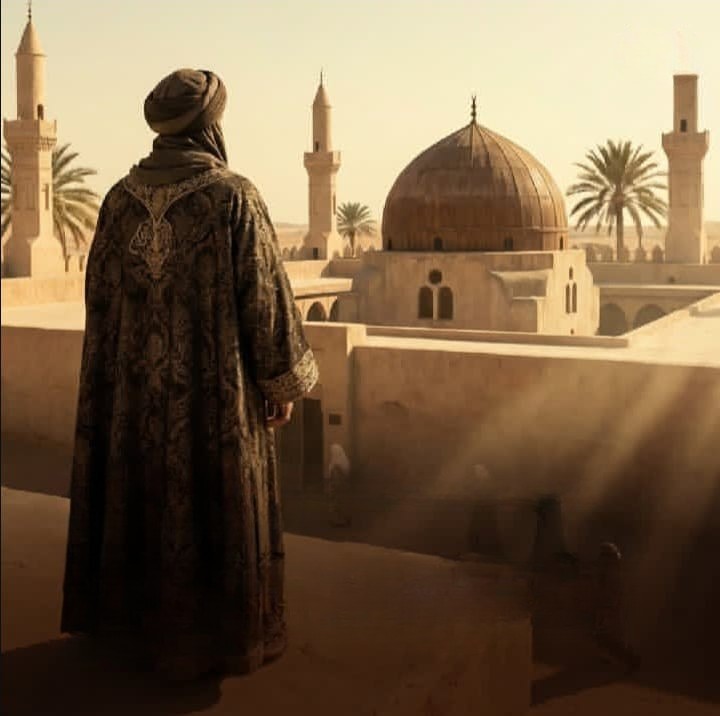
In 881 Hijri, the ruler Qaitbay built a wooden dome over the house of Sayyidah Aisha (RA) to replace the earlier roof. Over time, different rulers made changes and improvements to protect and strengthen the structure. Slowly, it developed into the Green Dome that we recognize today.
Interestingly, the dome was not always green. It changed colors several times in history before finally being painted green, which is now its most famous and recognizable appearance.
This long journey shows how the structure has been carefully maintained and respected throughout generations.
A Powerful Story of Faith
There is also a powerful and meaningful story connected to this sacred place. During a time of severe drought in Madinah, it is reported that Umar ibn Abd al-Aziz ordered a small opening to be made above the Prophet’s grave. The purpose was to ensure that nothing stood between the grave and the sky.
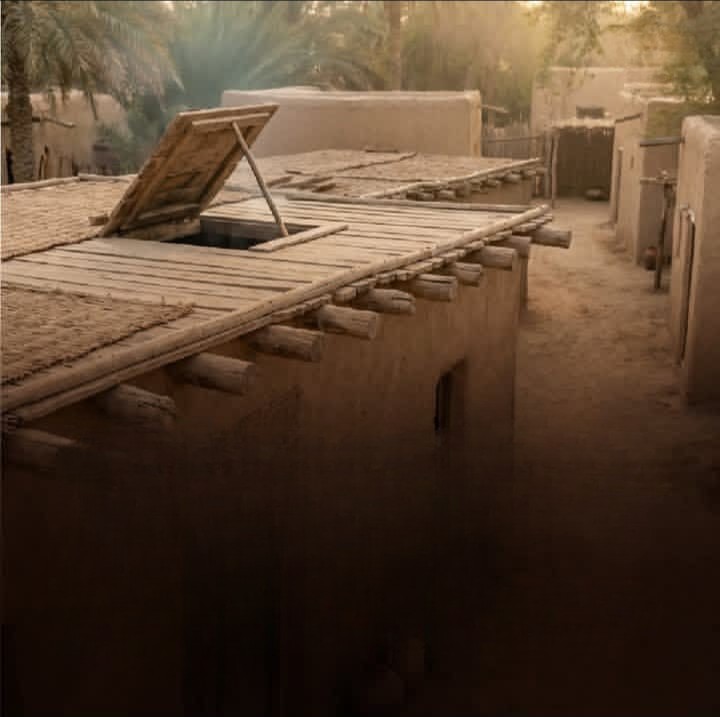
Soon after this act, heavy rain fell in Madinah. This moment became a symbol of strong faith, trust, and complete reliance on Allah.
It reminds believers that in times of hardship, true help comes from sincere prayer and turning to Allah with full belief.
The Sacred Chamber (Al-Hujrah al-Nabawiyyah)
The Green Dome is built directly above the Sacred Chamber, known as Al-Hujrah al-Nabawiyyah. This chamber was once the home of Sayyidah Aisha (RA).
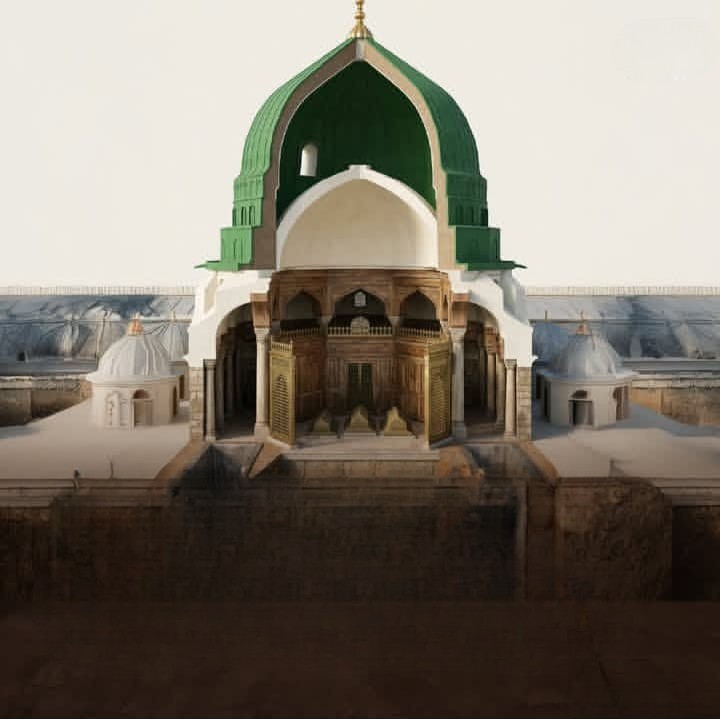
It was in this very room that Prophet Muhammad (peace be upon him) lived, received revelation, and later passed away. Today, it is his blessed resting place.
He is buried there alongside his closest companions:
- Abu Bakr (RA)
- Umar ibn al-Khattab (RA)
This makes the chamber one of the most sacred and respected places in the Islamic world.
The Unique Five-Sided Wall
The graves and the remains of Aisha’s house are protected inside a special five-sided wall. This wall has no doors or windows and was built by Umar ibn Abd al-Aziz.
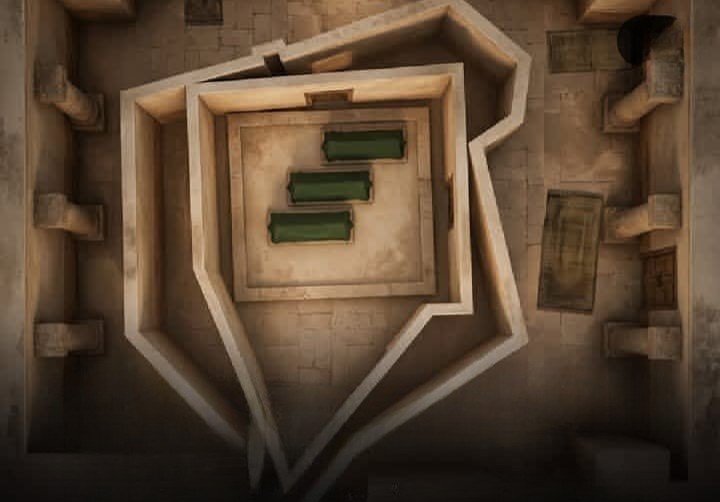
The design of this wall is very important. It was made in a five-sided shape so that it would not look like the Kaaba, which is square.
This was done intentionally to prevent people from walking around it in a way that could be mistaken for worship. It clearly shows that worship is only for Allah and not for any structure.
This thoughtful design reflects deep understanding and respect for Islamic teachings.
A Sealed Chamber for Over 500 Years
One of the most remarkable and unique facts about the Green Dome is that the chamber has been completely sealed for more than 500 years.
There is:
- No door
- No window
- No entrance
This ensures complete privacy, dignity, and respect for the Prophet (PBUH) and his companions.
The last known person to enter the chamber was the scholar Ali ibn Ahmad al-Samhudi. He entered during restoration work after a fire in 886 AH (1481 CE).
Since that time, no one has entered the chamber, and no human eye has seen the blessed graves. This long period of closure shows the deep respect and honor given to this sacred place.
What Most Pilgrims Do Not Notice
Today, millions of pilgrims visit Madinah every year. They admire the Green Dome, take pictures, and pray nearby.
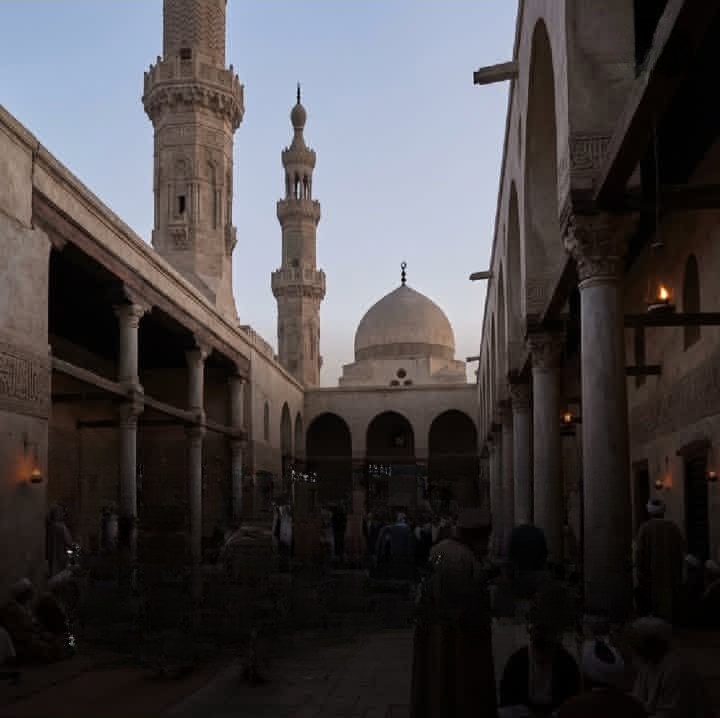
But very few people understand the deeper details hidden within its structure:
- There are actually two domes, not one
- A hidden inner dome exists beneath the outer Green Dome
- A small opening once connected the chamber directly to the sky
- The chamber has remained sealed for centuries
These hidden features make the Green Dome far more meaningful than it appears from the outside.
The Meaning Behind the Design
Every part of the Green Dome was carefully designed with purpose. It was not created just for beauty, but to protect and honor what lies beneath it.
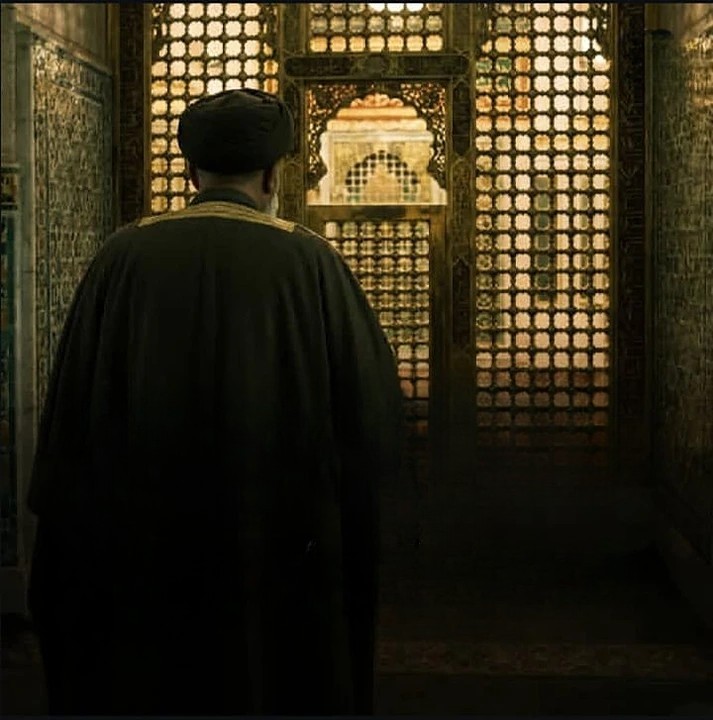
The design ensures:
- Respect for the Prophet’s resting place
- Protection of the sacred chamber
- Prevention of actions that could lead to misunderstanding of worship
It reflects wisdom, faith, and a deep understanding of Islamic principles.
Spiritual Importance for Muslims
For Muslims around the world, the Green Dome holds deep emotional and spiritual value. It reminds them of the life, teachings, and sacrifices of Prophet Muhammad (PBUH).
Seeing the Green Dome often brings feelings of peace, love, and respect. It connects believers to their faith and reminds them of the importance of humility, prayer, and devotion.
For many, visiting Madinah and seeing the Green Dome is a dream come true and a moment they remember for the rest of their lives.
Conclusion
The Green Dome is not just a beautiful landmark—it is a symbol of history, faith, and thoughtful design.
From its hidden inner dome to its sealed chamber, every part of it carries deep meaning. It tells a story of respect, protection, and devotion that has lasted for centuries.
It reminds us of the life of the Prophet Muhammad (PBUH), the loyalty of his companions, and the importance of honoring sacred places with dignity.
For millions of people around the world, the Green Dome is more than just a structure—it is a source of inspiration, love, and spiritual connection that continues to touch hearts across generations.
The post Secrets of the Green Dome in Madinah You Never Knew appeared first on MediaRay.
]]>The post Software delays aren’t about code – They’re about leadership appeared first on MediaRay.
]]>If you’ve ever been part of a delayed software project, you’ve probably heard the usual excuses: slow developers, poor tools, or an outdated tech stack. But these explanations rarely get to the heart of the issue. In reality, delays are often less about technology and more about leadership.
Technology today is faster and more capable than ever. Teams are skilled, and tools for tracking progress are highly advanced. Yet delays still happen. When you look beyond the surface, the root cause is usually tied to how projects are led—through decisions, communication, and alignment.
Unclear Goals and Misaligned Expectations
One of the most common leadership mistakes is launching a project without clearly defined goals. When leadership fails to establish what success looks like, teams end up pulling in different directions. Product managers, developers, and stakeholders may all interpret priorities differently, leading to confusion and wasted effort.
Vague requirements are a frequent symptom of this problem. When engineering teams are given incomplete context or unclear objectives, they’re forced to make assumptions. This often results in building the wrong features or overcomplicating solutions—both of which cost time.
Clear, shared roadmaps and a strong understanding of the “why” behind each feature help teams stay aligned and move faster with confidence.
Overpromising and Underestimating Complexity
Another major cause of delays is unrealistic planning. Leaders sometimes commit to timelines before the work is fully understood, often due to pressure from stakeholders or the desire to move quickly.
The result is predictable: rushed development, compromised quality, and missed deadlines.
A more effective approach is to think iteratively. Breaking projects into smaller increments—especially when building MVPs or working with emerging technologies—allows teams to test assumptions, gather feedback, and adjust direction early. This reduces risk and avoids the pressure of delivering everything at once.
Strong leadership requires the discipline to set realistic expectations and the confidence to push back on impractical deadlines.
Poor Communication and Siloed Teams
Software development involves multiple teams, from design and engineering to QA and business stakeholders. Without strong leadership to connect these groups, communication gaps quickly emerge.
Delays often happen not because of technical challenges, but because questions go unanswered, dependencies aren’t clear, or issues aren’t raised early enough.
Leaders must create an environment where communication is open and continuous. Regular check-ins, shared documentation, and clear escalation paths ensure that problems are identified and resolved quickly.
Rigid Processes and Resistance to Change
Inflexible processes can slow teams down just as much as poor planning. When leaders insist on rigid methodologies or outdated workflows, they limit a team’s ability to adapt.
Software development thrives on flexibility. Projects evolve, requirements change, and new challenges emerge. Leaders who embrace adaptability—adjusting workflows, timelines, and tools as needed—enable teams to respond effectively instead of getting stuck.
Continuous improvement should be part of the culture, not an afterthought.
Ignoring the Human Factor
At its core, software is built by people. Leadership that treats teams as interchangeable resources rather than individuals risks burnout, disengagement, and declining productivity.
Stress, unclear expectations, and lack of recognition can quietly erode performance. Even the best technology can’t compensate for a demotivated team.
Effective leaders prioritize sustainable workloads, encourage autonomy, and create a culture where feedback and learning are valued. When teams feel trusted and supported, they perform at their best.
Lack of Risk Management
Every software project comes with uncertainty—whether it’s technical challenges, external dependencies, or shifting requirements. Leaders who fail to anticipate these risks often find themselves reacting too late.
Good leadership involves proactive planning: identifying potential issues early, building contingencies, and staying prepared for change. This reduces last-minute surprises and keeps projects on track.
Failure to Learn from Metrics
Finally, teams that don’t track performance data are more likely to repeat the same mistakes. Metrics like sprint velocity, bug rates, and delivery timelines provide valuable insights—but only if they’re reviewed and acted upon.
When leadership uses data to guide decisions, patterns become visible and improvements become intentional. Without this feedback loop, delays remain unexplained and unresolved.
The Bottom Line
Software delays are rarely just a technical issue. More often, they reflect gaps in leadership—unclear direction, unrealistic expectations, poor communication, and lack of adaptability.
The good news is that these are solvable problems. With strong leadership that prioritizes clarity, collaboration, and continuous improvement, teams can deliver faster, more reliably, and with far less friction.
The post Software delays aren’t about code – They’re about leadership appeared first on MediaRay.
]]>The post Jazz, Zong provide list of top 5G-Compatible mobile phones appeared first on MediaRay.
]]>To help customers get ready, both networks have shared lists of 5G-compatible smartphones that can support this next-generation technology. These phones are designed to deliver high speed, low latency, and a better online experience.
Let’s explore what this means and which phones are leading the way.
The Rise of 5G in Pakistan
5G is the next step after 4G internet. It offers much faster speeds, better performance, and more reliable connections. In Pakistan, telecom companies are already starting to roll out 5G services in phases.
Both Jazz and Zong have invested heavily in new technology and spectrum to make 5G available across the country. This means users will soon enjoy faster downloads, better video quality, and improved online gaming.
But to enjoy all these benefits, you need a 5G-supported smartphone.
Why 5G-Compatible Phones Matter
Not all smartphones can use 5G. Even if your SIM supports 5G, your phone must also support the required bands and technology.
A 5G-compatible phone allows you to:
- Experience ultra-fast internet speed
- Stream HD videos without buffering
- Enjoy smooth online gaming
- Use advanced apps and services
- Stay future-ready as technology improves
Without a compatible phone, you will still be limited to 4G speeds.
Jazz’s List of 5G-Compatible Phones
Jazz has shared a wide list of supported 5G devices from different brands. These include popular names like:
- Vivo V series (V50, V60, V70 Lite 5G)
- Vivo X series (X200 Pro, X300 Pro)
- Oppo Reno series (Reno 11 5G, Reno 12 5G, Reno 13 Pro 5G)
- Realme GT series (GT Master, GT6, GT7)
- Xiaomi phones (Redmi Note 13 Pro+ 5G, Xiaomi 13T Pro)
These smartphones are designed to handle high-speed data and provide a smooth user experience.
Jazz also mentions that more brands like Samsung, Apple, and others are part of the 5G ecosystem, giving users many options to choose from.
Zong’s Role in 5G Expansion
Zong has also been actively working on 5G technology. In fact, it was one of the first telecom operators in Pakistan to test 5G successfully.
Like Jazz, Zong supports a wide range of smartphones from brands such as:
- Samsung Galaxy series
- Apple iPhone (latest models)
- Xiaomi and Redmi devices
- Vivo and Oppo smartphones
- Tecno and Infinix models
This means users on the Zong network can also enjoy 5G if they have a compatible device.
Top 5G Smartphones to Consider
Here are some of the most popular 5G phones supported by both networks:
1. Samsung Galaxy Series
Samsung offers some of the best 5G smartphones with powerful performance, great cameras, and long battery life. Many Galaxy models are fully compatible with 5G networks.
2. Apple iPhone (Latest Models)
New iPhones come with built-in 5G support. They provide smooth performance, strong security, and excellent camera quality.
3. Xiaomi and Redmi Phones
These phones are known for offering good performance at affordable prices. Models like Redmi Note 13 Pro+ 5G are popular choices.
4. Vivo and Oppo Devices
Vivo and Oppo provide stylish designs and solid performance. Their latest 5G models are widely supported by Jazz and Zong.
5. Realme and Tecno Phones
These brands are becoming popular for budget-friendly 5G phones, making advanced technology accessible to more people.
How to Check if Your Phone Supports 5G
If you are not sure whether your phone supports 5G, you can check easily:
- Go to your phone settings
- Look for “Network Mode” or “Preferred Network”
- Check if 5G option is available
- Visit your network provider’s website for a full list
Jazz even provides a tool to check compatible devices directly on their website.
What to Consider Before Buying a 5G Phone
Before buying a 5G smartphone, keep these points in mind:
1. Compatibility
Make sure the phone supports Pakistan’s 5G bands used by Jazz and Zong.
2. Budget
5G phones are available in different price ranges, from budget to premium.
3. Battery Life
5G uses more power, so choose a phone with a strong battery.
4. Performance
Look for good RAM and processor for smooth performance.
5. Future Updates
Choose a phone that will receive software updates for better security and performance.
The Future of 5G in Pakistan
The future of 5G in Pakistan looks very promising. Telecom companies are investing heavily to improve coverage and bring faster internet to more cities.
As 5G expands, more devices will become compatible, and prices will become more affordable. This will make advanced technology available to a larger number of users.
In the coming years, 5G will not just improve internet speed but also support new technologies like smart cities, online education, and digital businesses.
| Brand | Device |
|---|---|
| ZTE | Nubia Neo 2 |
| ZTE | Nubia Focus 5G |
| Xiaomi | Redmi Note 13 Pro+ 5G |
| Xiaomi | Xiaomi 14 Ultra |
| Vivo | V50 Lite 5G |
| Vivo | X200 Pro |
| Tecno | Camon 50 Premier 5G |
| Realme | Realme GT6 |
| OPPO | Reno13 Pro 5G |
| Infinix | Zero 40 5G |
| Samsung Series | Model |
|---|---|
| Galaxy S | S25 Ultra |
| Galaxy S | S24 Ultra |
| Galaxy S | S23 Ultra |
| Galaxy A | A56 5G |
| Galaxy A | A55 5G |
| Galaxy A | A34 5G |
| Galaxy Z | Fold6 |
| Galaxy Z | Flip5 |
| Galaxy Note | Note20 Ultra 5G |
| Brand | Model |
|---|---|
| Xiaomi | 13T Pro |
| Xiaomi | 14T |
| Xiaomi | 15 Ultra |
| Redmi | Note 14 Pro 5G |
| Redmi | Note 13 Pro 5G |
| POCO | X6 Pro 5G |
| POCO | F6 Pro |
| POCO | X5 Pro 5G |
| Series | Device |
|---|---|
| Reno | Reno14 Pro 5G |
| Reno | Reno13 5G |
| Reno | Reno11 5G |
| Find | Find X5 Pro |
| A Series | A77 5G |
| A Series | A5 5G |
| Apple | iPhone Model |
|---|---|
| iPhone | iPhone 17 Pro Max |
| iPhone | iPhone 16 Pro Max |
| iPhone | iPhone 15 Pro Max |
| iPhone | iPhone 14 Pro |
| iPhone | iPhone 13 Pro |
| iPhone | iPhone 12 |
| Realme | Model |
|---|---|
| Realme | 14 Pro 5G |
| Realme | 15 Pro 5G |
| Realme | 11 Pro 5G |
| Realme | 9 5G |
Conclusion
The introduction of 5G in Pakistan is a big step forward. With companies like Jazz and Zong leading the way, users now have access to a wide range of 5G-compatible smartphones.
Choosing the right phone is important to enjoy the full benefits of this new technology. Whether you prefer Samsung, iPhone, Xiaomi, or Vivo, there are many great options available.
As 5G continues to grow, upgrading to a compatible device will help you stay connected, productive, and ready for the future.
The post Jazz, Zong provide list of top 5G-Compatible mobile phones appeared first on MediaRay.
]]>The post Why always Hunza ? A traveler’s dream! appeared first on MediaRay.
]]>Stunning Landscapes
Hunza is famous for its jaw-dropping landscapes. Snow-capped mountains, lush green valleys, sparkling rivers, and beautiful lakes make it one of the most scenic places in the world.
Whether it’s the Rakaposhi Peak, the Ultar Sar, or the Karimabad Valley, every corner of Hunza offers a picture-perfect view. For photographers and travelers alike, Hunza feels like a dream come true.
Pleasant Climate
One reason Hunza is always popular is its pleasant weather. Unlike the scorching heat of the plains, Hunza enjoys cool summers and crisp, snowy winters. The mild climate makes it perfect for outdoor activities like hiking, trekking, and sightseeing.
Even during the colder months, the valley has a unique charm with its snow-covered mountains and serene atmosphere, giving visitors an unforgettable experience.
Rich History and Culture
Hunza is not just about natural beauty; it’s also a treasure of history and culture. The valley has been home to the Hunza Kingdom for centuries. You can visit historical sites like the Baltit Fort and Altit Fort, which reflect the rich architectural style and heritage of the region.
The locals are known for their hospitality and friendliness, making visitors feel welcome and part of their community. Traditional Hunza culture, music, and food add to the charm of the region.
Incredible Trekking and Adventure Opportunities
For adventure lovers, Hunza is a paradise. It offers trekking, mountaineering, rock climbing, and hiking opportunities. Popular trails like Passu Glacier Trek, Hussaini Suspension Bridge, and Ultar Base Camp Trek attract adventure enthusiasts from all over the world.
The breathtaking views along these treks make the effort totally worth it. Hunza’s adventurous spirit is a big reason why travelers always return.
The Famous Hunza People
Hunza is also known for its healthy and long-living people. Many locals live well over 100 years, and their lifestyle, diet, and environment are often credited for their longevity.
Visitors are fascinated by their simple yet healthy life, which inspires many to adopt healthier habits. Learning about the Hunza people gives tourists a deeper connection to the valley.
Delicious Local Food
Food is another reason why Hunza remains a favorite. Traditional Hunza cuisine includes apricots, dried fruits, fresh vegetables, and yak meat. Their dishes are simple, natural, and incredibly tasty.
Hunza is also famous for its apricot soup, chapshuro, and apricot juice, which travelers rave about. Trying these local delicacies adds a unique flavor to the Hunza experience.
Safe and Friendly for Tourists
Hunza is considered one of the safest destinations in Pakistan for travelers. The locals are welcoming, and the area is peaceful, making it a favorite for solo travelers, families, and groups alike.
Unlike some tourist spots that feel crowded or commercialized, Hunza maintains a serene and calm atmosphere where visitors can truly relax and enjoy nature.
A Photographer’s Paradise
Hunza’s beauty is so surreal that it’s often called a photographer’s paradise. The combination of high mountains, flowing rivers, colorful valleys, and historical forts creates endless opportunities for stunning photographs.
From sunrise over the peaks to sunsets that turn the sky golden, every moment in Hunza feels like a scene from a movie. Social media lovers and professional photographers alike are drawn to Hunza again and again.
Festivals and Events
Hunza is also known for its festivals and cultural events. The Cherry Blossom Festival in spring, local music events, and traditional cultural celebrations allow visitors to experience Hunza’s vibrant culture firsthand.
Participating in these festivals adds a colorful and lively dimension to the trip, making it unforgettable.
A Place for Peace and Reflection
Beyond adventure, food, and photography, Hunza is a perfect place to relax and reflect. The peaceful environment, fresh mountain air, and breathtaking views make it easy to forget stress and reconnect with yourself.
Hunza offers a rare combination: adventure for thrill-seekers and peace for those who just want to escape the chaos of city life.
Conclusion
So why always Hunza? It’s simple: natural beauty, culture, adventure, safety, and peace all come together in one perfect destination. Whether you are an adventurer, a nature lover, a foodie, or someone looking for peace, Hunza has something special for everyone.
Visiting Hunza is not just a trip; it’s an experience that stays with you forever. The snow-capped peaks, lush valleys, historic forts, delicious food, and friendly people make Hunza the crown jewel of Pakistan’s northern areas.
Next time you plan a trip, remember why travelers always say: “Hunza is a must-see destination!”
The post Why always Hunza ? A traveler’s dream! appeared first on MediaRay.
]]>